
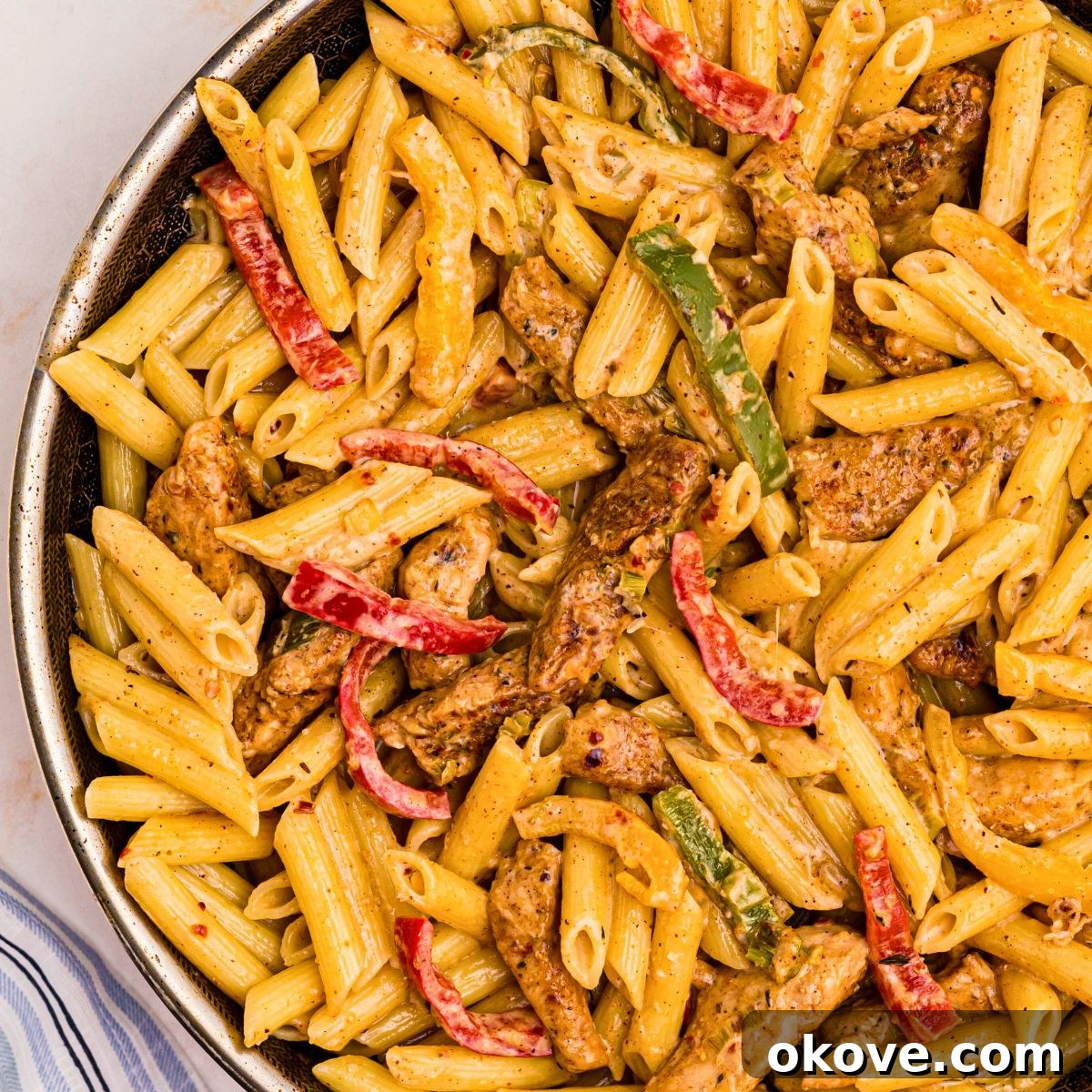
Authentic Rasta Pasta Recipe: A Vibrant Taste of the Caribbean
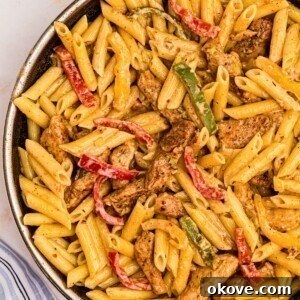
Prepare your taste buds for an unforgettable culinary adventure with this incredible Rasta Pasta recipe! This dish is a true feast for the senses, packed with a symphony of delicious flavors and a kaleidoscope of colors, all bathed in a perfectly balanced creamy sauce with just the right amount of spice. Each and every bite delivers a bold, unique taste profile that is both exciting and comforting. It offers a delightful warmth without being overwhelmingly spicy, and the natural sweetness of the bell peppers flawlessly harmonizes with the rich, savory notes of the jerk seasoning. Rasta Pasta isn’t just a meal; it’s an experience that transports you straight to the sunny shores of the Caribbean.
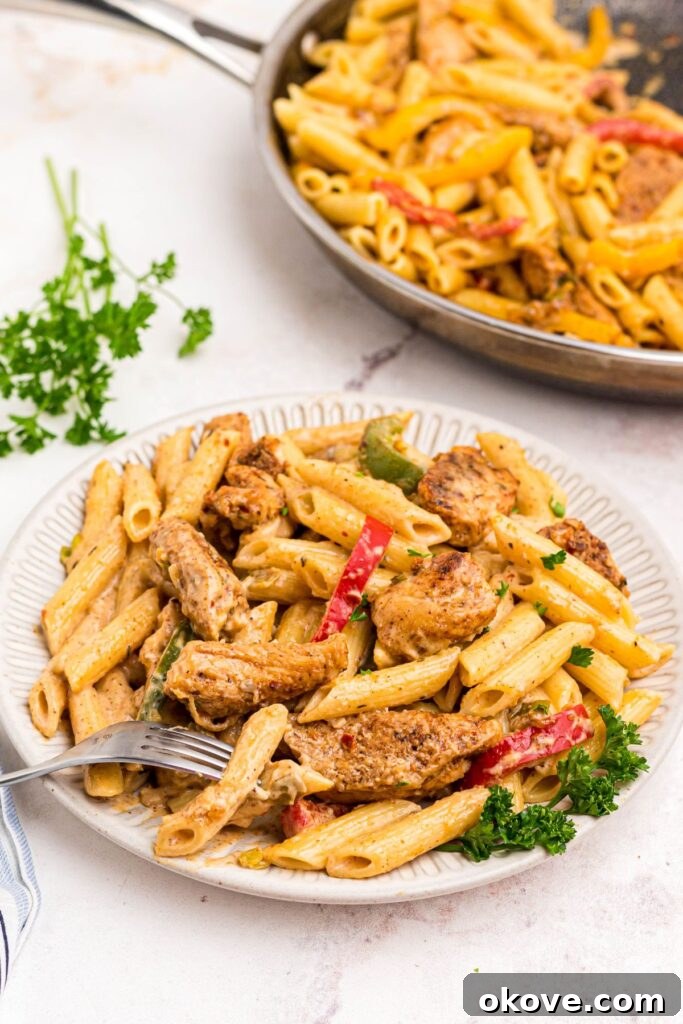
“This Rasta Pasta is incredibly versatile and always a hit! It’s absolutely perfect for lively family gatherings, festive parties, memorable special occasions, or even a quick and satisfying weeknight dinner when you need something delicious and easy.”
– Becky, Passionate Home Cook
What Exactly is Rasta Pasta? At its core, Rasta Pasta is a soulful, Caribbean-inspired pasta dish celebrated for its audacious flavors and striking visual appeal. The “Rasta” in its name is a respectful nod to the Rastafarian culture, frequently symbolized by the vibrant red, green, and gold colors. These hues are beautifully represented in the dish’s ingredients, especially through the colorful bell peppers. Typically, this hearty and immensely satisfying pasta creation features succulent jerk chicken or shrimp, lovingly tossed in a luxuriously creamy sauce that elevates it to an unparalleled level of comfort food. It’s a brilliant fusion of Italian pasta tradition with the distinctive, aromatic spices of the Caribbean.
If your heart yearns for wholesome, flavor-packed comfort food, then this Rasta Pasta with chicken is an absolute must-add to your regular dinner rotation. It stands proudly alongside other beloved recipes that bring warmth and joy, such as Homemade Beanie Weenies, Easy Chicken Pot Pie, or Baked Chicken Wings. The unique interplay of sweet, spicy, and savory notes in Rasta Pasta truly makes it a standout dish that everyone will adore.
Table of Contents
- The Story Behind Rasta Pasta: A Culinary Fusion
- Essential Ingredients for Your Perfect Rasta Pasta
- Customizing Your Rasta Pasta: Delicious Variations
- Step-by-Step Guide: How to Make Rasta Pasta with Chicken
- Mastering Rasta Pasta: Expert Cooking Tips
- Frequently Asked Questions About Rasta Pasta
- More Easy Dinner Recipes You’ll Love
- Full Rasta Pasta Recipe Card
The Story Behind Rasta Pasta: A Culinary Fusion
While pasta is undeniably a cornerstone of Italian cuisine, Rasta Pasta stands as a magnificent testament to the power of culinary fusion. It masterfully blends the universally cherished comfort of pasta with the vibrant, intensely aromatic flavors that are the hallmark of Caribbean cooking. The dish’s fascinating origins can be traced back to innovative Jamaican chefs and restaurants who envisioned a meal that would marry Italian pasta traditions with the distinctive, fiery kick of jerk seasoning.
The “Rasta” in its name carries deep cultural significance. It’s not merely an aesthetic choice reflecting the red, green, and gold colors of the Rastafarian flag (often beautifully showcased by the colorful bell peppers in the dish), but also a heartfelt tribute to the profound cultural richness and innovative spirit that flourishes across the Caribbean islands. This vibrant dish rapidly ascended in popularity, becoming a beloved menu item for its truly unique taste profile and profoundly satisfying, hearty nature. Rasta Pasta serves as a powerful reminder of how food can elegantly bridge diverse cultures, seamlessly bringing together disparate elements to forge something entirely new, exciting, and utterly delicious. It’s a celebration of heritage, flavor, and the joy of shared meals.
Essential Ingredients for Your Perfect Rasta Pasta
Crafting a truly exceptional Rasta Pasta begins with the thoughtful selection of fresh, high-quality ingredients. Each component, from the pasta to the spices, plays a crucial role in building the dish’s signature bold flavor and irresistible texture:
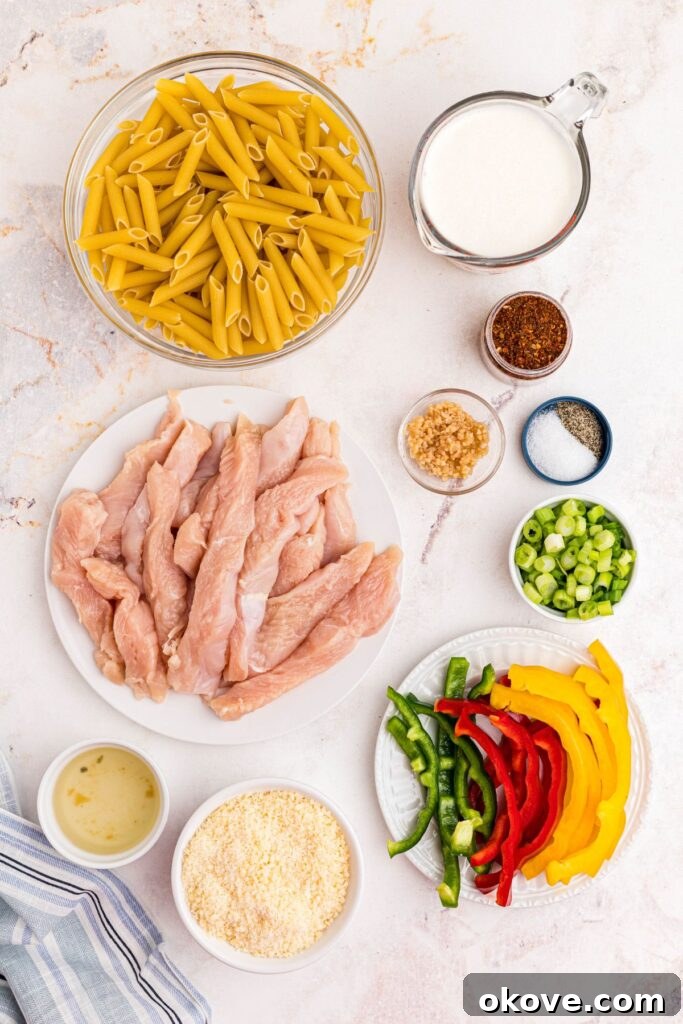
- Penne Pasta: This tubular pasta, with its distinctive ridges and hollow center, is an outstanding choice for Rasta Pasta. Its design is perfect for capturing and holding every drop of the rich, creamy sauce, along with small bits of chicken and vegetables. While penne is classic, feel free to experiment with other sturdy pasta shapes like rotini, ziti, or even fettuccine to suit your preference. Always cook your pasta al dente for the best texture.
- Chicken Breast: Lean, tender chicken breast, meticulously cut into uniform strips or cubes, is the most common and beloved protein for this dish. For added convenience and a wonderfully juicy texture, shredded rotisserie chicken can also be used as a fantastic shortcut. The chicken expertly absorbs the vibrant jerk seasoning, establishing itself as a flavorful and satisfying centerpiece of the meal.
- Colorful Bell Peppers (Red, Yellow, Green): More than just a visual delight, these bell peppers are absolutely crucial for Rasta Pasta. They contribute a delightful crunch, a subtle natural sweetness, and a much-needed pop of color that perfectly balances the spicy notes of the jerk seasoning. Utilizing a mix of red, yellow, and green peppers not only enhances the flavor but also beautifully embodies the iconic colors of the Rastafarian flag.
- Green Onions (Scallions): Finely sliced green onions provide a mild, fresh onion flavor that significantly brightens and enhances the overall flavor profile of the dish without overwhelming other ingredients. They are often incorporated both into the sauce and used as a fresh, aromatic garnish.
- Heavy Cream: This is the indispensable foundation of the sumptuously rich, smooth, and creamy sauce. Heavy cream transforms the blend of spices and vegetables into a velvety, comforting experience that generously coats every single piece of pasta and chicken, making each bite utterly decadent.
- Chicken Stock (or Broth): A measured splash of chicken stock is essential to delicately thin the heavy cream, ensuring the sauce achieves a perfectly smooth, pourable consistency and preventing it from becoming overly thick or clumpy. It also adds an additional layer of savory depth and umami to the overall flavor.
- Grated Parmesan Cheese: Parmesan cheese is not merely a topping; it’s a critical ingredient within the sauce itself. As it melts into the cream, it imparts a distinct salty, umami richness and helps the sauce to thicken to the ideal, luscious consistency.
- Garlic Cloves (Minced): Freshly minced garlic is an absolute requirement, providing an essential aromatic depth and a pungent, savory kick to the sauce. It forms a fundamental flavor base, working in harmony with the bell peppers and onions to create a complex and inviting aroma.
- Jerk Seasoning (Store-bought or Homemade): This is truly the undisputed star of Rasta Pasta! Jerk seasoning delivers the characteristic bold, spicy, earthy, and subtly sweet flavors that are emblematic of authentic Caribbean cuisine. Whether you opt for a high-quality store-bought blend or prefer to craft your own homemade version (typically a robust mixture of allspice, dried thyme, garlic powder, onion powder, paprika, a dash of cayenne pepper for heat, and often a hint of brown sugar), its inclusion is paramount for achieving that unmistakable authentic taste.
- Olive Oil: Used for perfectly sautéing the chicken and vegetables, olive oil facilitates the creation of a beautiful golden-brown sear on the chicken and acts as an excellent medium for carrying and infusing the flavors of the various seasonings throughout the dish.
- Kosher Salt & Ground Black Pepper: These fundamental seasonings are vital for enhancing, balancing, and bringing out the best in all the other vibrant flavors in the dish. They are the final touch that harmonizes all the components into a cohesive and delicious meal.
For a comprehensive list of ingredients with precise measurements, please refer to the detailed recipe card conveniently located further down this page.
Customizing Your Rasta Pasta: Delicious Variations and Dietary Adaptations
One of the most delightful aspects of Rasta Pasta is its incredible versatility. This recipe is wonderfully forgiving and encourages creativity, allowing you to easily tailor it to your personal preferences, dietary needs, or simply to utilize ingredients you have readily available:
- Change Up the Protein: While chicken is traditionally featured, this dish is extraordinarily versatile and tastes fantastic with an array of other proteins. Consider substituting succulent shrimp, thinly sliced beef steak, tender chunks of lobster, or even lean pork for an exciting and different flavor profile. For a quicker preparation, pre-cooked smoked sausages or diced smoked turkey can also be excellent additions.
- Boost the Veggies: Don’t hesitate to significantly increase the nutritional value and flavor complexity by incorporating an abundance of your favorite vegetables. Sliced mushrooms, tender zucchini, vibrant broccoli florets, fresh spinach, sweet corn kernels, or even roasted sweet potato chunks can be truly excellent additions. Remember to add firmer vegetables like broccoli or carrots earlier in the sautéing process to ensure they cook through to your desired tenderness.
- Embrace Vegetarian or Vegan Options: To effortlessly transform this into a satisfying vegetarian meal, simply omit the chicken entirely and compensate by adding more vegetables, or introduce plant-based protein sources such as hearty chickpeas, robust black beans, or perfectly pan-fried tofu. For a fully vegan rendition, opt for a plant-based pasta, utilize a dairy-free heavy cream alternative (such as creamy cashew or coconut cream), and either omit the Parmesan cheese or use a high-quality vegan Parmesan substitute.
- Go Gluten-Free: Adapting this recipe for those with gluten sensitivities is remarkably simple. Just substitute traditional wheat-based pasta with your preferred gluten-free alternative. It’s also important to ensure that all other ingredients, especially your chosen jerk seasoning, are certified gluten-free to avoid cross-contamination.
- Adjust the Spice Level: The heat intensity of jerk seasoning can vary significantly between brands. If you are a passionate lover of extra fiery heat, consider very carefully mincing just a tiny piece of Scotch bonnet or habanero pepper and sautéing it alongside your bell peppers. A word of caution: these peppers are exceptionally potent, so a minuscule amount truly goes a very long way! For a milder interpretation, use a smaller quantity of jerk seasoning or select a mild blend, and simply omit any additional hot peppers. A modest pinch of red pepper flakes can also be added at the end for easily adjustable heat.
- Experiment with Fresh Herbs: A generous sprinkle of fresh chopped cilantro or parsley stirred in just before serving, or used as a final garnish, will infuse the dish with a burst of invigorating freshness, bright color, and aromatic complexity. Fresh thyme, a common ingredient in many jerk seasoning blends, can also be added directly to the sauce for an authentic herbaceous note.
- Different Pasta Shapes: While penne is undeniably the classic choice for its ability to perfectly hold the creamy sauce, feel empowered to explore other robust pasta shapes. Fusilli, rotini, farfalle (bow-tie), or even longer pasta varieties like fettuccine or linguine can all perform wonderfully and offer a slightly different textural experience.
Step-by-Step Guide: How to Make Rasta Pasta with Chicken
Creating this incredibly flavorful Rasta Pasta is a straightforward process that yields spectacular results. Follow these simple, easy-to-understand steps to prepare a meal that is truly bursting with authentic Caribbean flavors:
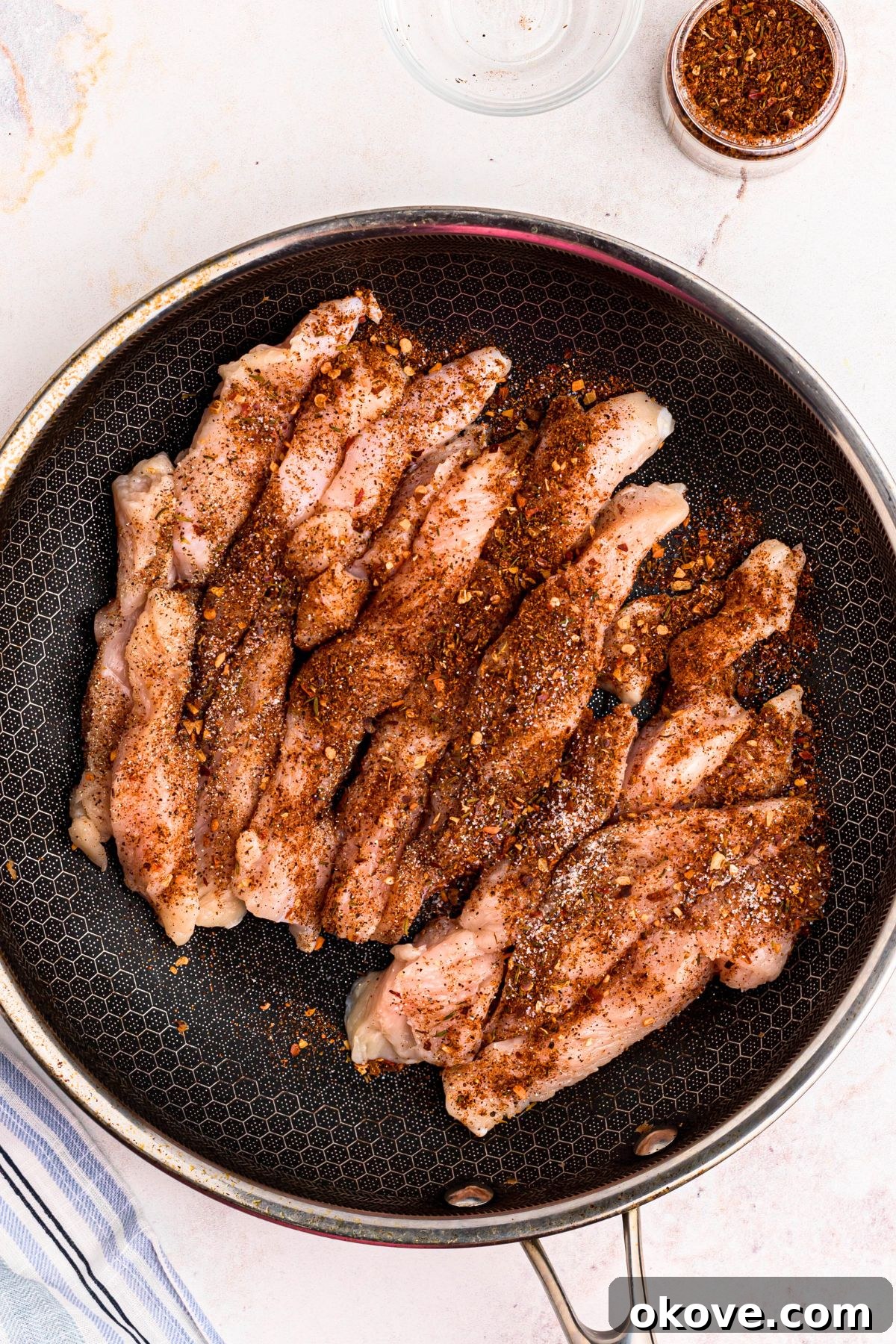
- Cook the Pasta and Season Chicken: Begin by cooking your penne pasta according to the package instructions until it reaches a perfect al dente texture – firm to the bite. Once cooked, drain the pasta thoroughly and set it aside in its pot. In a separate small bowl, combine 1 tablespoon of the jerk seasoning with ½ teaspoon of kosher salt and ¼ teaspoon of ground black pepper. Rub this aromatic and flavorful mixture evenly over all sides of your chicken breast strips, ensuring they are well-coated and ready to cook.
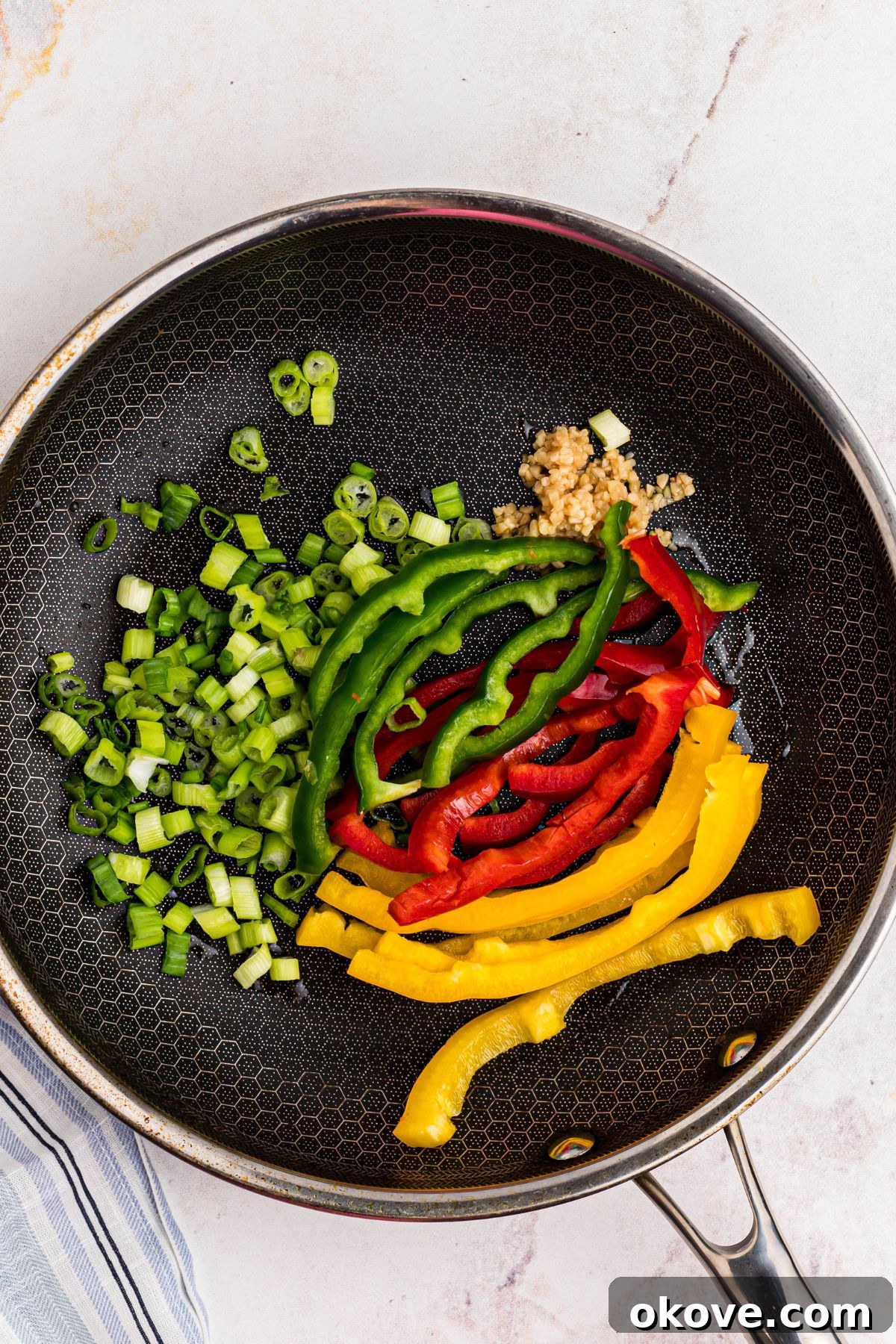
- Cook Chicken and Sauté Vegetables: Heat 1 tablespoon of olive oil in a large skillet over medium-high heat. Add the seasoned chicken strips and cook for approximately 5-7 minutes, flipping them occasionally, until they are beautifully golden brown on all sides and have reached an internal temperature of 165°F (74°C) – use a meat thermometer to verify. Remove the cooked chicken from the skillet and transfer it to a plate or bowl, setting it aside. In the same skillet, add the colorful sliced bell peppers, chopped green onions, and minced garlic. Sauté these vibrant vegetables over medium heat for about 5-7 minutes until they become slightly tender and wonderfully fragrant.
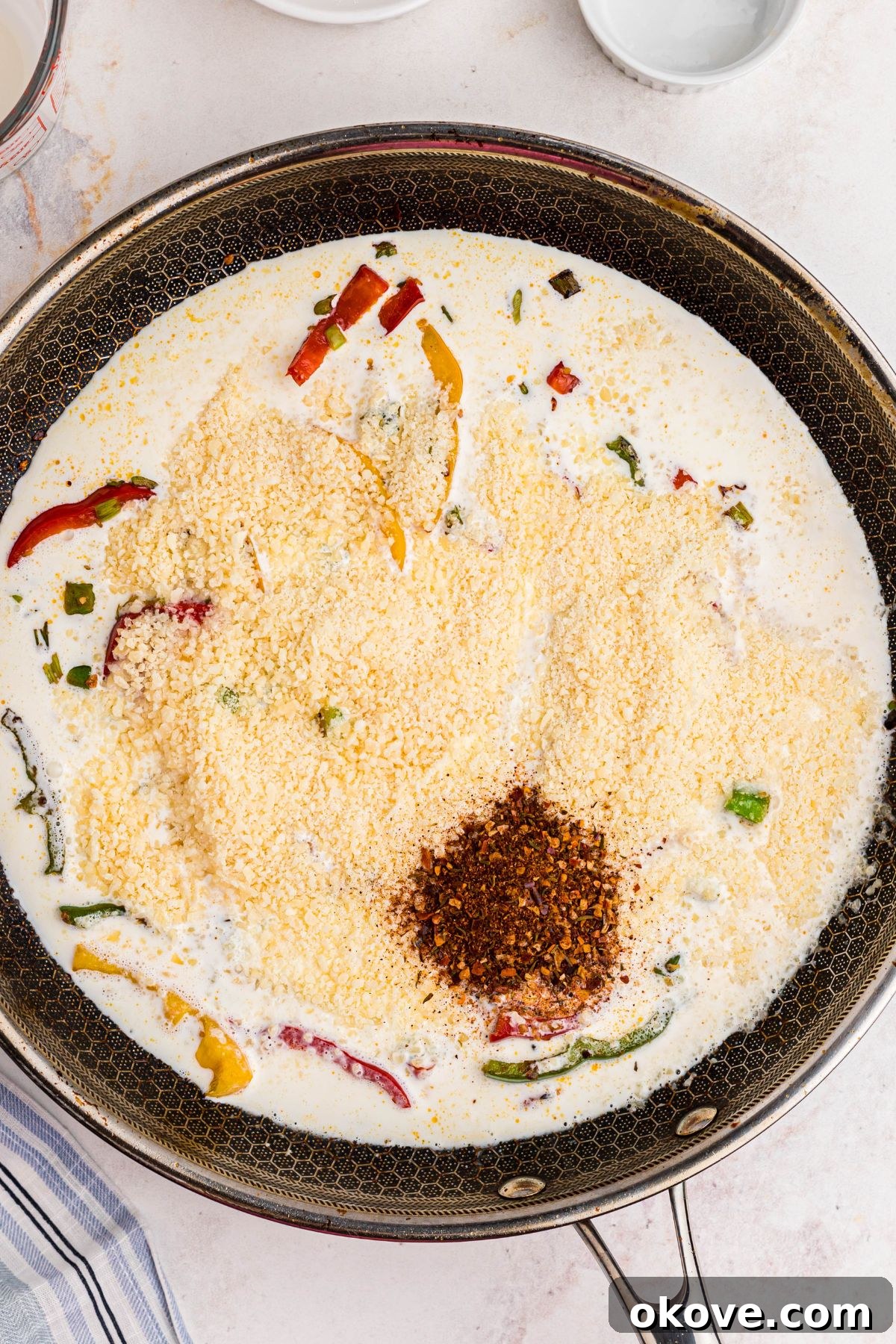
- Prepare the Creamy Sauce: To the sautéed vegetables in the skillet, sprinkle in the remaining 1 tablespoon of jerk seasoning. Pour in the heavy cream and chicken stock, then stir in the grated Parmesan cheese. Continue to stir gently and consistently over medium heat. Allow the sauce to simmer for approximately 3-5 minutes, or until it becomes wonderfully creamy and has thickened to your desired consistency. (If you prefer your Rasta Pasta to have a noticeably spicier kick, you can add up to 2 tablespoons of total jerk seasoning at this stage, adjusting to your heat preference.)
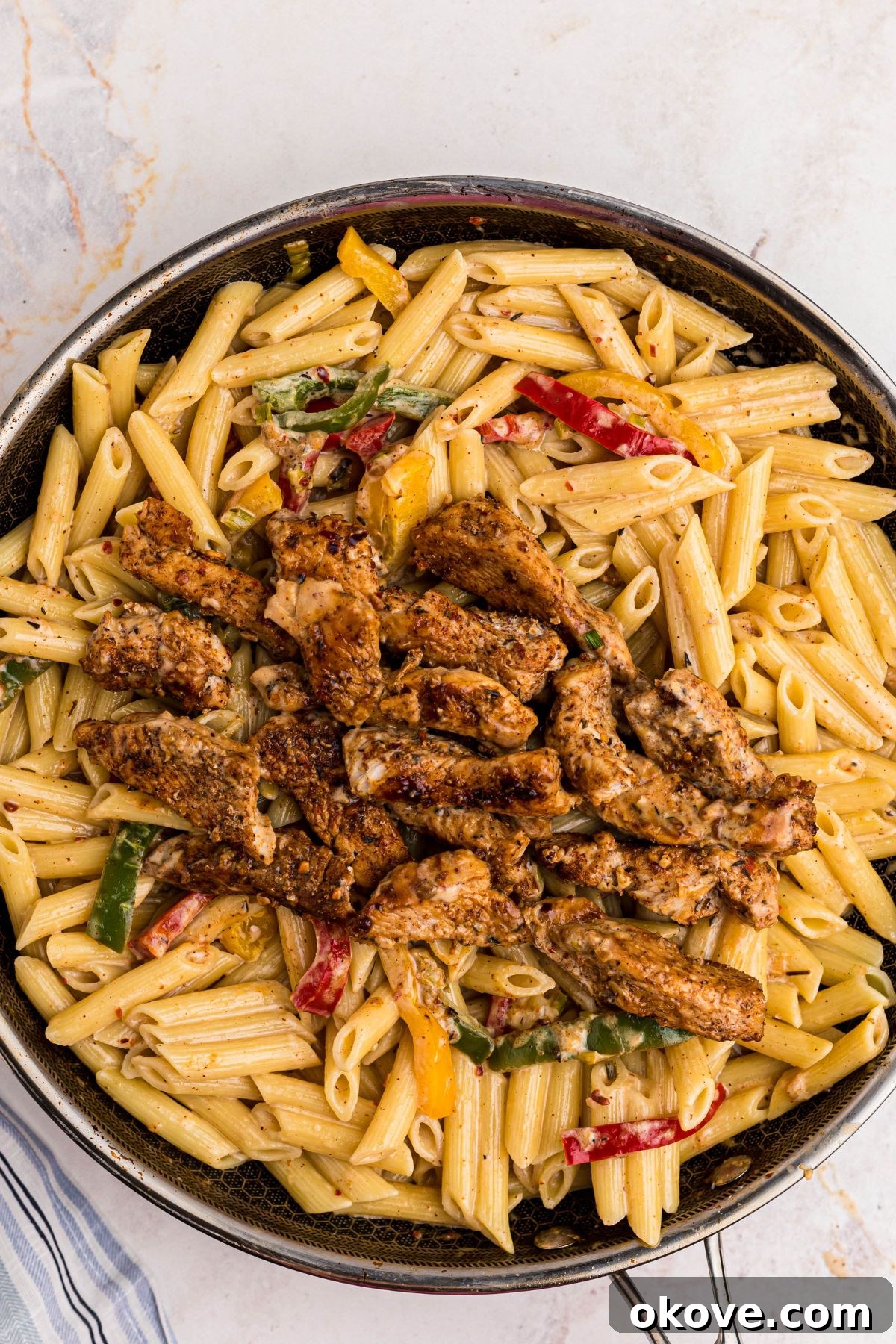
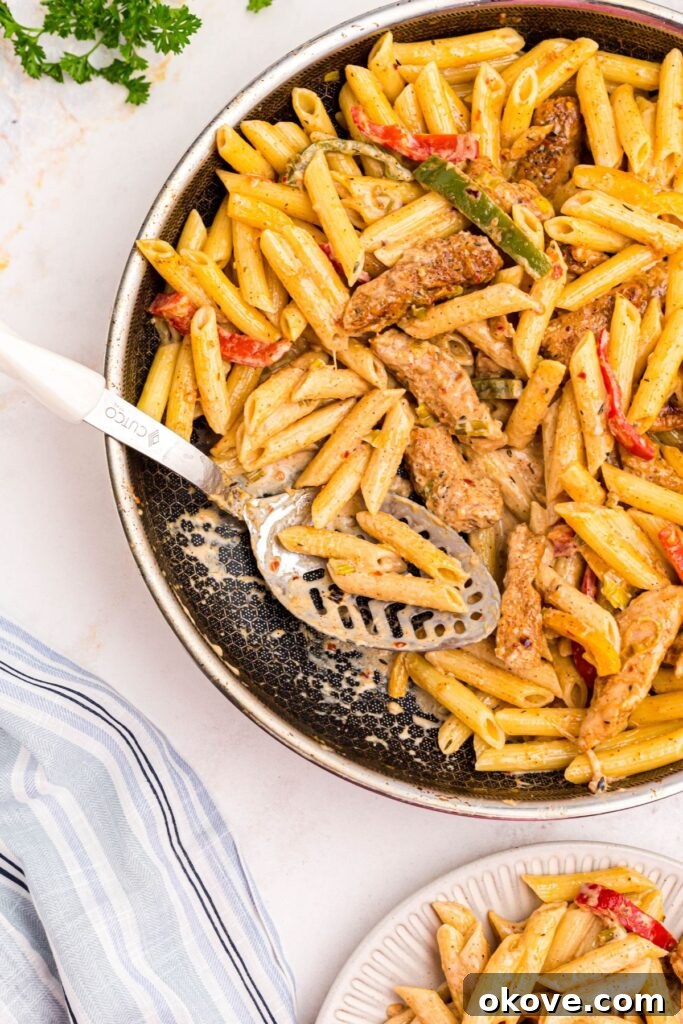
- Combine and Serve: Add the perfectly cooked penne pasta directly into the creamy sauce in the skillet. Stir thoroughly and gently to ensure that every single strand of pasta is sumptuously coated in the rich, flavorful sauce. Finally, you can either artfully arrange the reserved cooked chicken pieces on top of the pasta, or for an even distribution of flavor, gently stir the chicken directly into the pasta mixture. Garnish generously with a sprinkle of fresh chopped green onions or a touch of extra Parmesan cheese, then serve immediately and relish every flavorful, comforting bite!
Mastering Rasta Pasta: Expert Cooking Tips for Perfection
Transform your Rasta Pasta from simply good to absolutely unforgettable with these invaluable insider tips and tricks:
- Strategically Manage the Spice Level: The heat intensity of jerk seasoning can vary dramatically from brand to brand, ranging from pleasantly mild to intensely fiery. If you’re a true heat enthusiast, consider this: very carefully mince just a tiny, tiny piece of Scotch bonnet or habanero pepper and sauté it along with your bell peppers. These peppers are incredibly potent, so remember, a microscopic amount genuinely goes a very long way! For a more nuanced and controlled level of heat, you can add a small pinch of cayenne pepper directly to your jerk seasoning blend to taste.
- Achieve the Perfect, Silky Creamy Sauce: The very essence of an irresistible Rasta Pasta lies within its luxuriously smooth and creamy sauce. For an extra rich, incredibly thick, and utterly decadent sauce, don’t hesitate to incorporate a bit more heavy cream than initially suggested in the recipe. An even more indulgent option is to stir in a few tablespoons of full-fat cream cheese (ensure it’s softened for smooth blending) into the simmering sauce. This secret ingredient will impart an unparalleled richness and a wonderfully silky texture. Should your sauce thicken excessively while simmering or during reheating, a simple spoonful or two of milk or chicken stock can effortlessly thin it back to its ideal, luscious consistency.
- Craft Your Own Authentic Jerk Seasoning: While high-quality store-bought jerk seasoning offers convenience, creating your own blend at home provides unparalleled freshness, vibrancy, and complete control over the flavor profile. A truly exceptional homemade jerk mix typically involves a robust combination of freshly ground allspice, dried thyme, potent garlic powder, savory onion powder, vibrant paprika, a measured touch of cayenne pepper for heat, and often a subtle hint of brown sugar to balance the flavors with sweetness. Always remember that freshly ground spices will yield the most aromatic and impactful results.
- Never Overcook the Pasta: This is a cardinal rule for any pasta dish. Always aim to cook your pasta to an al dente state – meaning it should be firm to the bite with a slight resistance. Keep in mind that the pasta will continue to cook slightly when it’s tossed with the hot sauce, so cooking it al dente initially prevents it from becoming mushy and ensures a delightful texture.
- Season in Harmonious Layers: To ensure maximum flavor penetration and a perfectly balanced dish, don’t just season the chicken. Lightly season the vegetables as they sauté, and critically, taste the sauce before you combine it with the pasta. Adjust the salt, pepper, and even jerk seasoning as needed to reach your desired flavor equilibrium.
- Fresh Herbs for a Bright Finish: A generous sprinkle of fresh chopped cilantro, fragrant parsley, or additional green onions just before serving is not merely for aesthetics. These fresh herbs add a vital burst of freshness, a vibrant pop of color, and an aromatic lift that significantly brightens the entire dish, cutting through the richness of the cream sauce.
- Ensure Optimal Chicken Doneness: For both food safety and to achieve the most succulent, tender chicken, always use a reliable meat thermometer to verify that your chicken reaches an internal temperature of 165°F (74°C). Overcooked chicken can quickly become dry and chewy, detracting from the overall enjoyment of the dish.
Frequently Asked Questions About Rasta Pasta
The intriguing name “Rasta” in Rasta Pasta serves as a vibrant tribute to the Rastafarian culture. The dish frequently incorporates the iconic red, green, and gold colors, most commonly visualized through the colorful bell peppers, which symbolize the Rastafarian flag. This naming convention is not only visual but also celebrates the rich Caribbean heritage and the bold, spicy flavor profiles that are definitive characteristics of the dish.
To ensure optimal freshness and preserve its delightful flavor, any leftover Rasta Pasta should be transferred into an airtight container and promptly stored in the refrigerator. It will remain delicious and safe to eat for approximately 3 to 4 days. When it comes time to reheat, gently warm it on the stovetop over low heat. You might notice the cream sauce has thickened; simply stir in a tablespoon or two of milk or chicken stock to effectively loosen and refresh the creamy consistency.
Yes, Rasta Pasta can indeed be frozen, but it’s important to be aware that the delicate texture of the cream-based sauce might undergo a slight alteration upon thawing and subsequent reheating. To freeze, transfer the pasta into a freezer-safe container, ensuring it is tightly sealed to prevent freezer burn. It can be safely stored in the freezer for up to 2 months. For best results, thaw it thoroughly overnight in the refrigerator before gently reheating on the stovetop, adding a splash of milk or stock to help restore its original creaminess.
Absolutely! Rasta Pasta lends itself well to partial preparation in advance. You can efficiently cook the pasta and prepare the creamy sauce separately. Store both components in individual airtight containers in the refrigerator. Just before you’re ready to serve, gently reheat the sauce, add the cooked pasta, and combine with your pre-cooked chicken. This method helps to maintain the best possible texture for both the pasta and the luscious sauce.
Penne pasta is overwhelmingly the classic and preferred choice for Rasta Pasta. Its tubular shape and distinct ridges are exceptionally effective at catching and holding the rich, creamy sauce, as well as the small, flavorful pieces of chicken and vegetables. However, other sturdy pasta shapes such as rotini, ziti, or even broad fettuccine noodles can also work wonderfully, providing a slightly different, yet equally delicious, textural experience.
Yes, Rasta Pasta is renowned for having a distinctive spice level, which can range from pleasantly moderate to quite significant, deriving its characteristic heat primarily from the jerk seasoning. The good news is that the spice level can be precisely adjusted to align with your personal preference. You can achieve a milder flavor by selecting a less potent jerk seasoning or by using a smaller quantity. Conversely, for those who crave an extra fiery kick, incorporating fresh hot peppers like Scotch bonnets can elevate the heat considerably.
More Easy Dinner Recipes You’ll Love
Halloween Recipes
Mummy Hot Dogs
Smoker and BBQ Recipes
Smoked Pork Tenderloin
Smoker and BBQ Recipes
Smoked Mac and Cheese
Holidays
Roasted Turkey
If you have tried this incredibly flavorful Rasta Pasta recipe or any other delightful dishes from Celebrating Simply, we would be absolutely thrilled if you would leave a ⭐ star rating and share your wonderful thoughts in the ✍️ comments below. Your feedback and experiences mean the world to us!
★
★
★
★
Rasta Pasta with Jerk Chicken
Rebecca
4
15 mins
25 mins
40 mins
Pin Recipe
Email Recipe
Print Recipe
Equipment
-
Large Pot
-
Large Skillet
-
Small Bowl
Ingredients (Serves 4)
- 16 ounces penne pasta
- 1 pound chicken breast, cut into strips or shredded rotisserie chicken
- 2 bell peppers, any colors (red, yellow, or green), sliced into strips
- 1/4 cup green onions, chopped
- 1 cup heavy cream
- 1/4 cup chicken stock
- 1 cup grated Parmesan cheese
- 2 garlic cloves, minced
- 2 tablespoons jerk seasoning, divided
- 1 tablespoon olive oil
- 1/2 teaspoon kosher salt
- 1/4 teaspoon ground black pepper
Instructions
-
1. Cook Pasta and Season Chicken: Cook the penne pasta according to package instructions until al dente. Drain well and set aside. In a small bowl, combine 1 tablespoon of jerk seasoning, ½ teaspoon kosher salt, and ¼ teaspoon ground black pepper. Rub this mixture thoroughly over all sides of the chicken breast strips.
-
2. Cook Chicken: Heat 1 tablespoon of olive oil in a large skillet over medium-high heat. Add the seasoned chicken strips and cook for 5-7 minutes, flipping occasionally, until golden brown and cooked through (internal temperature of 165°F / 74°C). Remove the chicken from the skillet and set aside on a plate.
-
3. Sauté Vegetables: In the same skillet, add the sliced bell peppers, chopped green onions, and minced garlic. Sauté over medium heat for 5-7 minutes until the vegetables are slightly tender and fragrant.
-
4. Prepare the Cream Sauce: Sprinkle in the remaining 1 tablespoon of jerk seasoning into the skillet with the vegetables. Pour in the heavy cream and chicken stock, then stir in the grated Parmesan cheese. Stir continuously over medium heat until the sauce becomes creamy and thickens, about 3-5 minutes. (For extra spice, you can add up to 2 tablespoons of jerk seasoning total to the sauce.)
-
5. Combine and Serve: Add the cooked pasta to the creamy sauce in the skillet and stir well to combine. Gently stir in the cooked chicken pieces, or arrange them on top of the pasta. Garnish with fresh green onions or a sprinkle of extra Parmesan, and serve hot. Enjoy your homemade Rasta Pasta!
Notes
This versatile recipe is also delicious with shrimp or beef. For a delightful vegetarian option, simply omit the chicken and load up on your favorite vegetables like mushrooms, zucchini, or broccoli.
Nutrition Facts (Per Serving)
Carbohydrates: 97g
Protein: 38g
Fat: 36g
Saturated Fat: 19g
Polyunsaturated Fat: 3g
Monounsaturated Fat: 10g
Trans Fat: 0.01g
Cholesterol: 126mg
Sodium: 907mg
Potassium: 809mg
Fiber: 6g
Sugar: 8g
Vitamin A: 4220IU
Vitamin C: 79mg
Calcium: 313mg
Iron: 3mg
Please note: Nutrition information is automatically calculated and should be used as an approximation.
Additional Info
Main Course
Caribbean, American
Tried this delicious recipe?
Mention @celebratingsimplyrecipes or tag #celebratingsimplyrecipes on Instagram! We love seeing your culinary creations!