
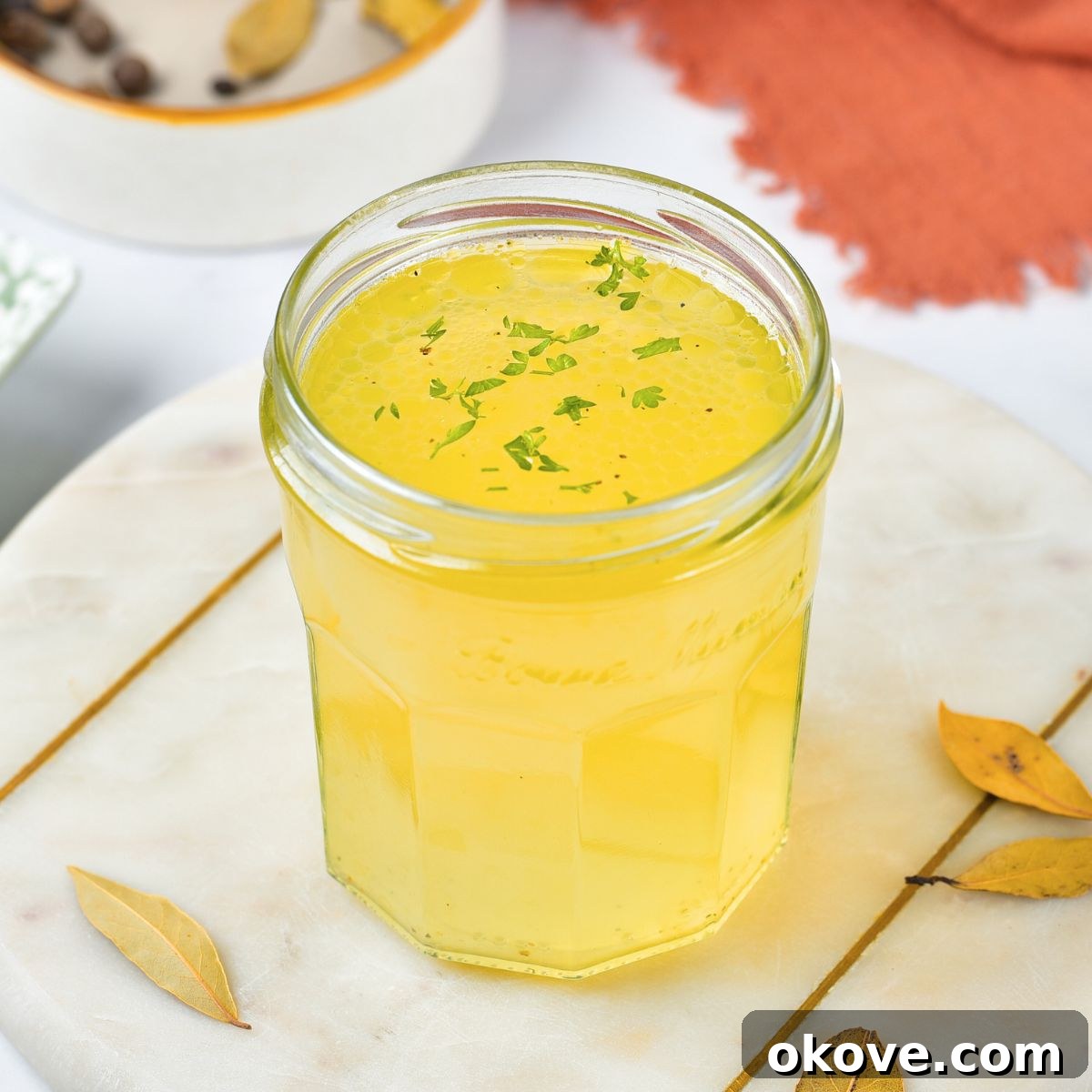
Mastering Homemade Chicken Stock: Your Secret to Flavorful Cooking
Discover the transformative power of a truly great **homemade chicken stock**. This easy-to-follow recipe uses simple, wholesome ingredients you likely already have, turning what might be considered kitchen scraps into liquid gold. Say goodbye to bland, store-bought cartons and hello to a rich, deeply savory base that will elevate your soups, sauces, gravies, and stews to an entirely new level.
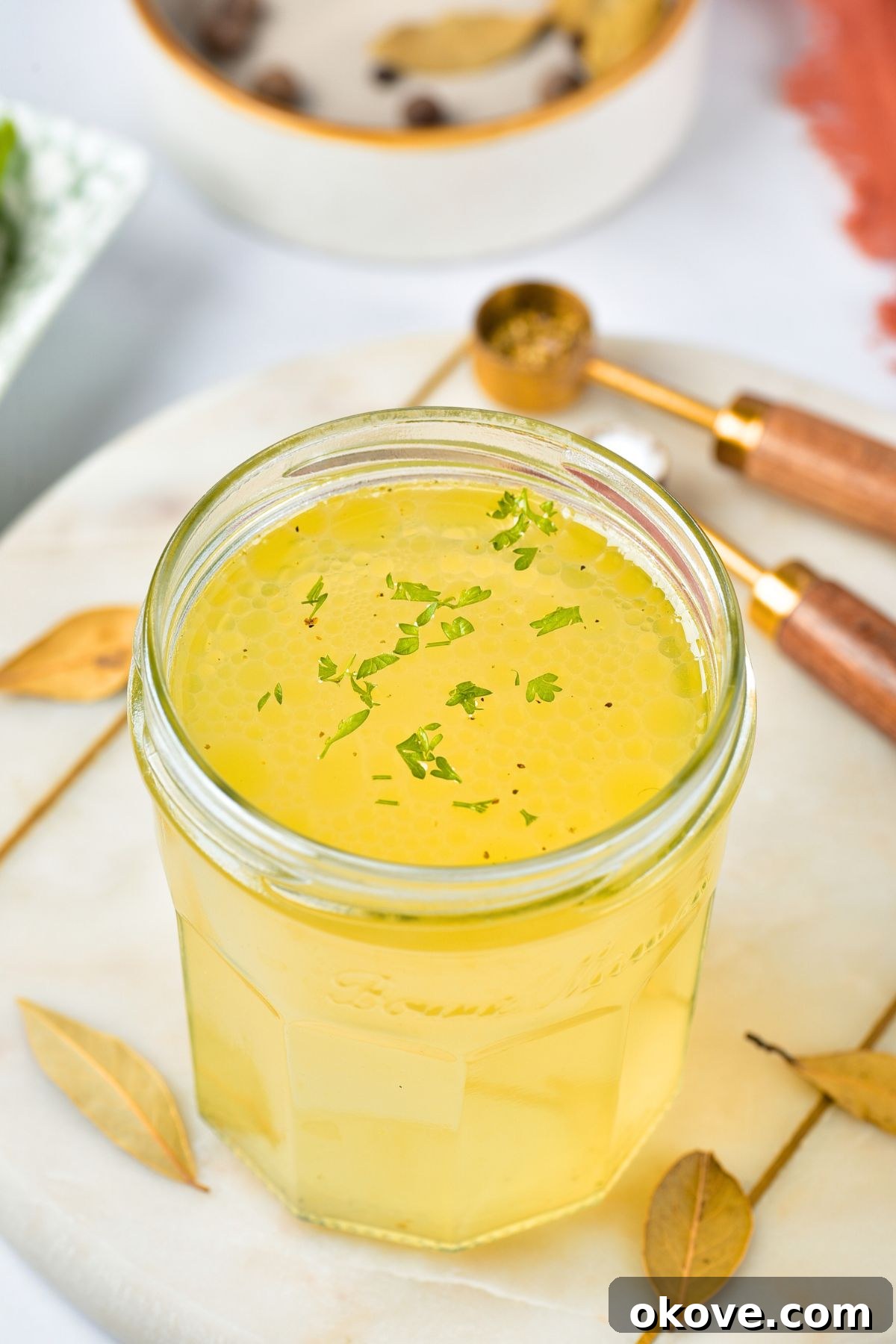
“Once you taste homemade chicken stock, there’s no going back. Everything just tastes better!”
-Becky
Crafting your own chicken stock is not only incredibly rewarding but also a fantastic way to minimize food waste by utilizing leftover chicken carcasses and vegetable trimmings. This foundational recipe comes together with minimal effort, yielding a pure, profound flavor that commercial options simply can’t match. Imagine having a ready supply of this culinary essential in your freezer, ensuring you’re always prepared to create comforting and delicious meals for months to come.
This versatile homemade stock is the perfect partner for a myriad of dishes. Elevate everyday meals with its robust flavor. Try it as the base for heartwarming recipes like this Chicken Pot Pie Casserole, rich Chicken Marsala Recipe, or a hearty Cabbage Roll Soup. Beyond these, it’s indispensable for risotto, gravies, pan sauces, and countless other culinary applications.
Table of Contents
- Why Make Homemade Chicken Stock?
- Essential Ingredients for Perfect Stock
- Customizing Your Chicken Stock: Recipe Variations
- Step-by-Step: How to Make Homemade Chicken Stock from Scratch
- Expert Tips for the Best Homemade Stock
- Homemade Chicken Stock FAQs
- More Easy Recipes to Enjoy
- Chicken Stock Recipe Card
Why Make Homemade Chicken Stock?
The difference between homemade and store-bought chicken stock is profound. While commercial stocks offer convenience, they often fall short in flavor, frequently containing high levels of sodium, artificial flavors, and preservatives. Homemade stock, on the other hand, delivers:
- Unmatched Flavor Depth: Slow simmering extracts maximum flavor from bones, vegetables, and aromatics, creating a complex, savory base that enhances any dish.
- Nutritional Benefits: Rich in collagen, gelatin, amino acids, and minerals from the bones, homemade stock can support gut health, joint health, and provide essential nutrients. It’s often referred to as “liquid gold” for its health benefits.
- Control Over Ingredients: You dictate what goes into your stock, ensuring it’s free from unwanted additives, excessive salt, or allergens. This is particularly beneficial for dietary restrictions.
- Cost-Effectiveness: By using leftover chicken bones and vegetable scraps, you transform ingredients that might otherwise be discarded into a valuable kitchen staple, saving money in the long run.
- Versatility: A good stock is the foundation of countless dishes. From comforting chicken noodle soup to elegant risottos, rich gravies, and delicate sauces, its applications are endless.
- Reduced Food Waste: Give a second life to chicken carcasses, wing tips, and vegetable trimmings like onion peels and carrot ends.
Essential Ingredients for Perfect Stock
Creating a robust and flavorful chicken stock doesn’t require an extensive shopping list. The magic lies in a few key ingredients, each playing a crucial role in building layers of savory depth and aroma. Here’s what you’ll need, and why each component is important:
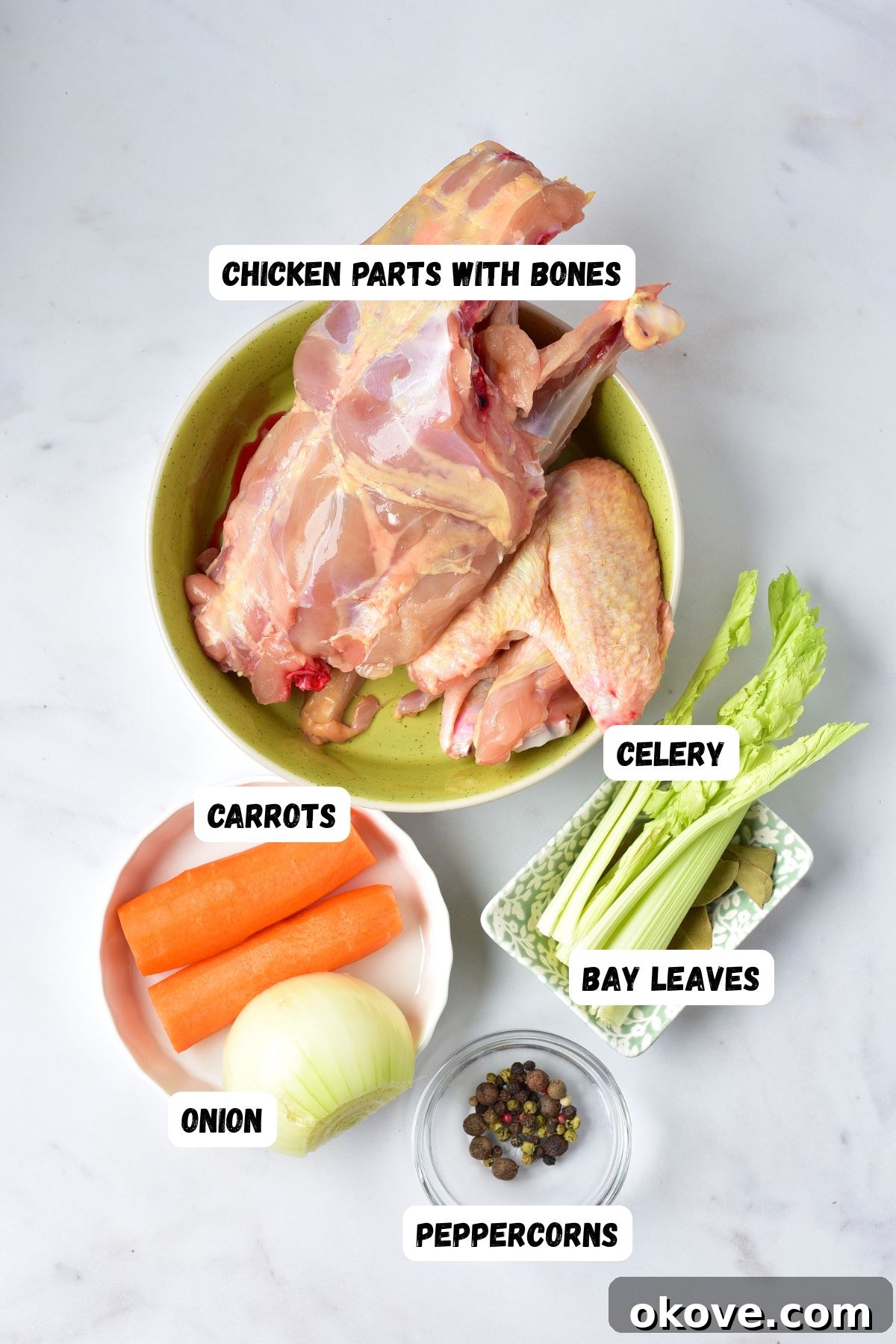
- Chicken Carcass and Other Chicken Parts: The backbone (pun intended!) of your stock. Leftover roasted chicken carcasses are ideal as they carry residual flavor. Incorporating other parts like chicken wings, drumsticks, thighs, or necks, especially those with skin and joints, significantly boosts the gelatin content. Gelatin is what gives stock its rich body and mouthfeel, distinguishing it from thinner broths.
- Carrots: These root vegetables contribute a natural sweetness that balances the savory notes of the chicken. They also impart a lovely golden hue to the finished stock.
- Onion: A fundamental aromatic, onion adds a foundational savory depth and a subtle sweetness. It provides a warm, well-rounded flavor profile. Halving and charring the onion beforehand (as shown in the recipe) adds another layer of complexity and color.
- Celery Stalks: Part of the classic “mirepoix” (onion, carrot, celery) base, celery brings a distinct, slightly earthy and peppery freshness that is quintessential to stock flavor.
- Bay Leaves: These unassuming leaves infuse the stock with a subtle, aromatic, and slightly floral herbal note, adding complexity without overpowering the main flavors.
- Whole Allspice: Offering a warm, slightly sweet, and peppery spice, allspice provides a unique depth. A little goes a long way in adding an intriguing background note.
- Mixed or Black Peppercorns: Essential for a light, earthy kick and overall complexity. Whole peppercorns release their flavor slowly without making the stock overly spicy.
Disclaimer: A full list of ingredients with precise measurements is included in the detailed recipe card below.
Customizing Your Chicken Stock: Recipe Variations
While the basic recipe yields an outstanding stock, there are numerous ways to customize it to your preference or to enhance specific qualities. Don’t be afraid to experiment with these variations:
- Boost Gelatin for a Thicker Stock: If you desire a more gelatinous, rich stock (often referred to as bone broth), focus on using chicken parts rich in cartilage and connective tissue. Swap a plain carcass for a combination of chicken wings, drumsticks, thighs, or necks. Chicken feet are also an excellent addition for maximum gelatin extraction.
- Aromatic Herb Infusion: Elevate the herbal notes by adding a fresh bouquet of herbs. Fresh leeks (especially the green parts), whole garlic cloves (lightly crushed), sprigs of fresh thyme, and parsley stems (which often get discarded but are full of flavor) are excellent choices. Add them in the last hour of simmering to prevent bitterness. Remember to skim and discard all solids after simmering.
- The Vinegar Advantage: Adding a splash of apple cider vinegar (about 1-2 tablespoons) to the cold water at the beginning of the simmer is a common technique. The mild acidity is believed to help extract more minerals and collagen from the bones, resulting in a more nutritious and flavorful stock. Don’t worry, the vinegar flavor dissipates during the long cooking process.
- Roast Your Bones First: For an even deeper, richer color and more intense flavor, roast your chicken bones (and even the vegetables) in the oven at 400°F (200°C) for 30-40 minutes until deeply golden brown before adding them to the stockpot. This caramelization adds incredible depth, especially if you’re aiming for a dark, robust stock.
- Spice It Up: Experiment with other whole spices like a star anise, a few cloves, or a piece of ginger for an Asian-inspired stock, or dried mushrooms for an umami boost.
- Slow Cooker or Instant Pot Method: If you prefer a hands-off approach, you can easily make chicken stock in a slow cooker or Instant Pot. For a slow cooker, combine all ingredients and simmer on low for 8-12 hours. For an Instant Pot, combine ingredients, cover with water, and cook on high pressure for 60-90 minutes, then allow for natural release.
Step-by-Step: How to Make Homemade Chicken Stock from Scratch
Crafting homemade chicken stock is a straightforward process that yields incredibly rewarding results. Follow these detailed steps to ensure a rich, clear, and flavorful stock every time:
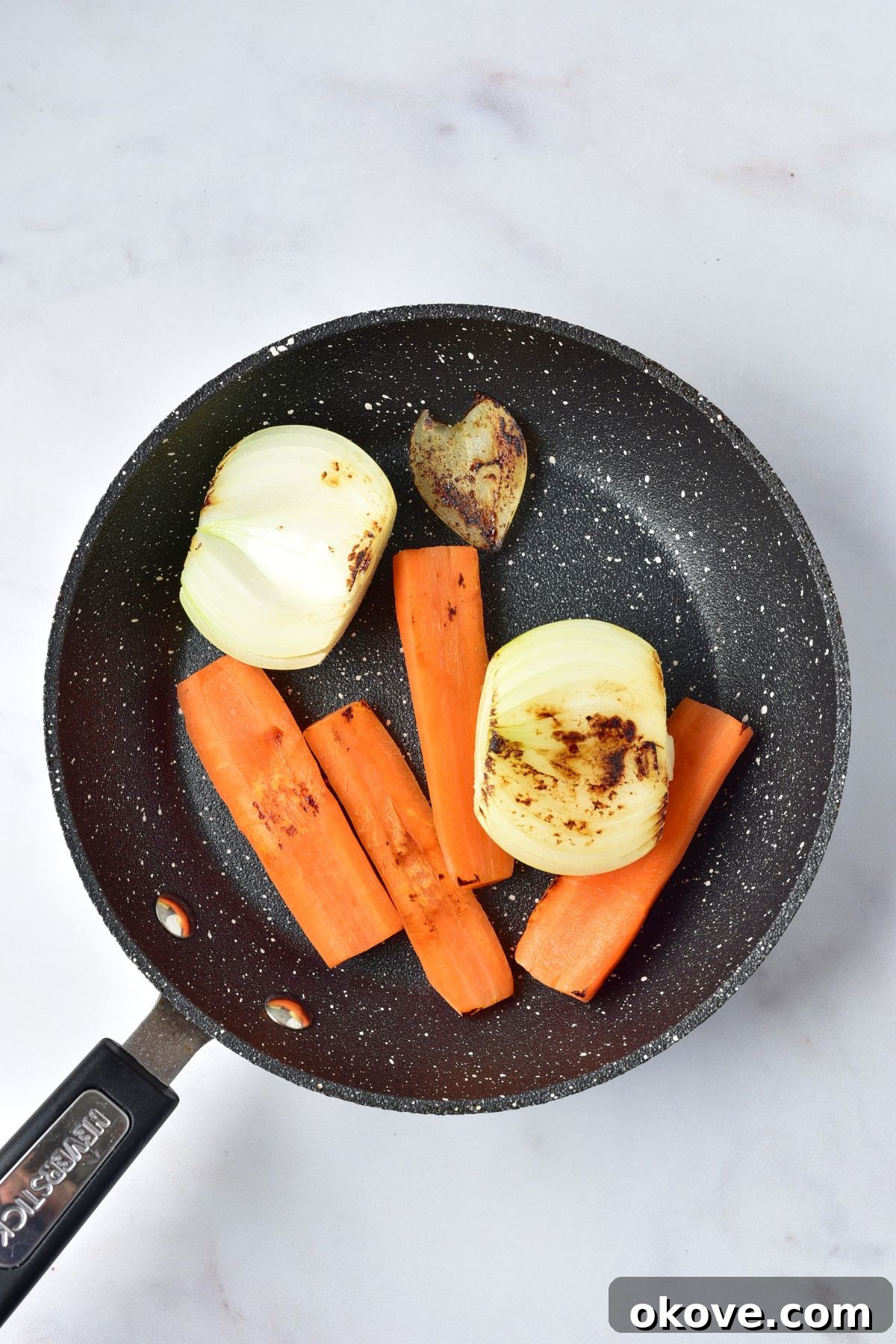
- Prepare and Char Aromatics: Begin by halving your onion and carrot. Place them cut-side down in a dry (no oil needed) skillet over medium-high heat. Allow them to char for 3–4 minutes until they are lightly blackened and fragrant. This crucial step caramelizes the sugars, adding a wonderful depth of flavor and a beautiful golden color to your stock.
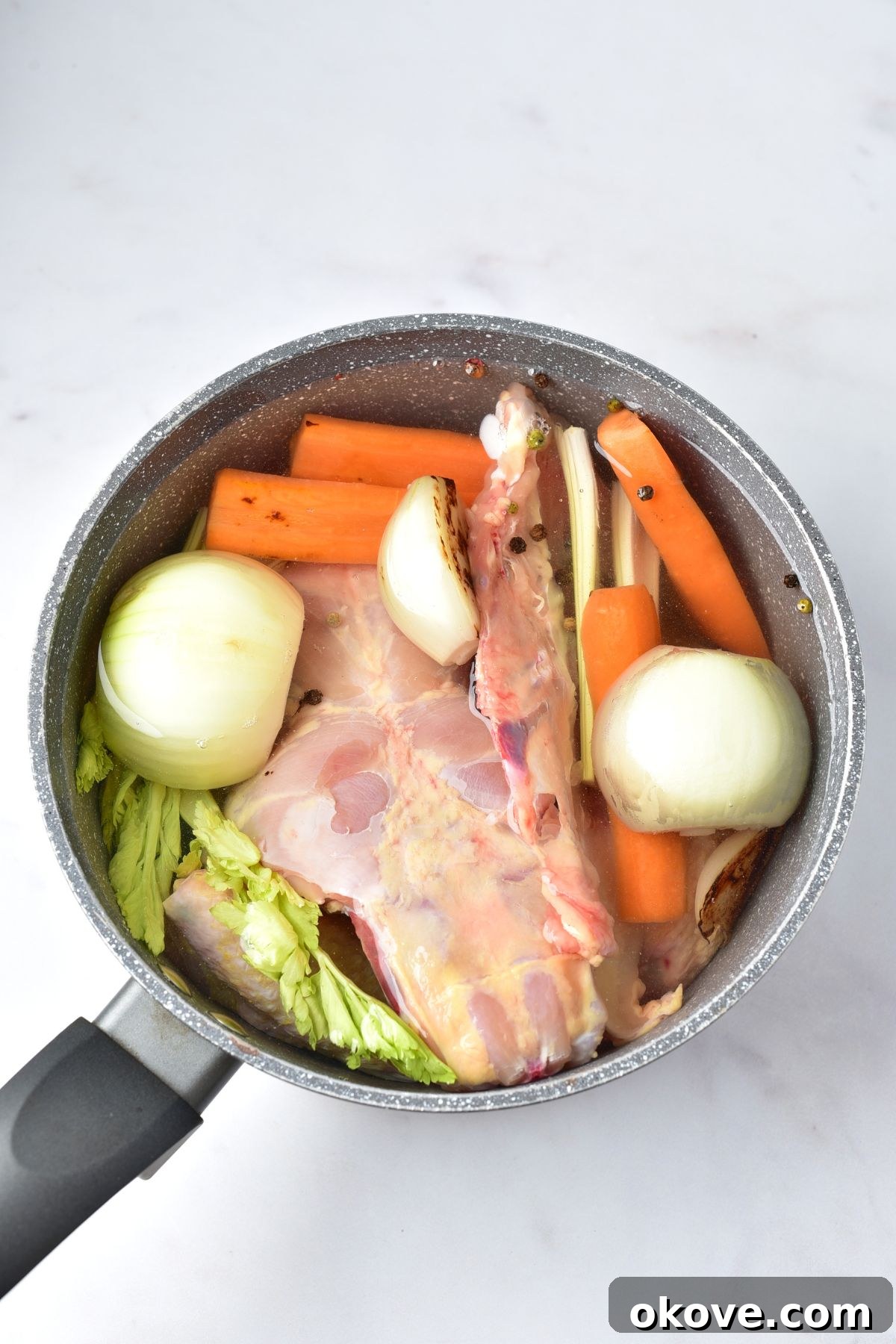
- Assemble the Stockpot: Carefully transfer your chicken carcass and other chicken parts, the charred vegetables, celery stalks, bay leaves, whole allspice, and black peppercorns into a large, heavy-bottomed stockpot. Pour in enough cold water to fully cover all the ingredients by at least an inch or two. Starting with cold water is important as it allows the impurities to rise to the surface, which you’ll skim off, and helps in a gradual extraction of flavor.
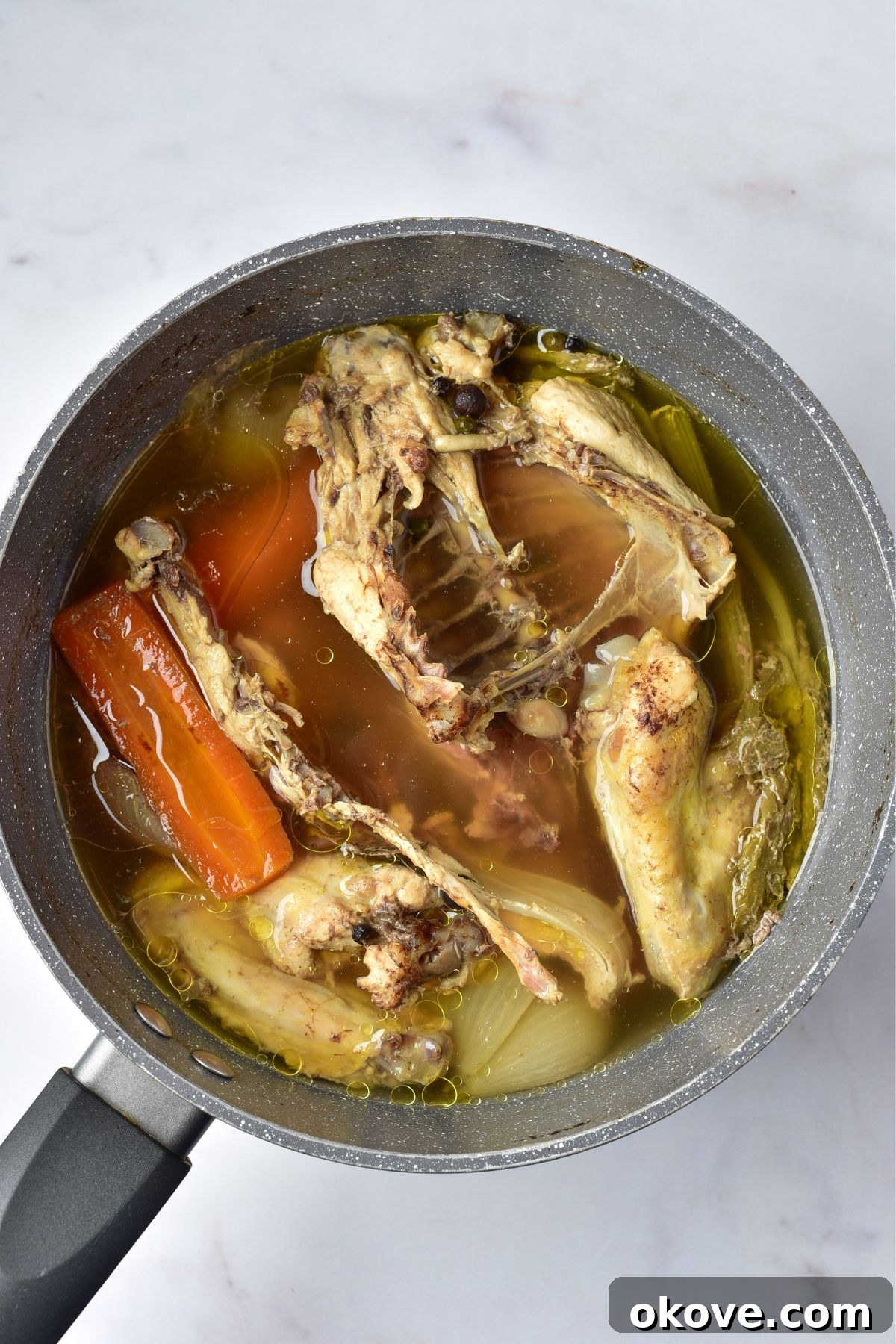
- Simmer and Skim: Bring the water to a boil over high heat. As it begins to boil, you will notice foam and scum rising to the surface. Use a slotted spoon or a fine-mesh skimmer to carefully remove and discard this foam. Skimming helps create a clearer, cleaner-tasting stock. Once most of the foam is gone, reduce the heat to a gentle simmer (just a few bubbles breaking the surface). Cover the pot with a lid, leaving it slightly ajar to allow some steam to escape, and let it simmer gently for a minimum of 2 hours, ideally 3-4 hours for maximum flavor extraction. The longer and gentler the simmer, the more flavorful your stock will be.
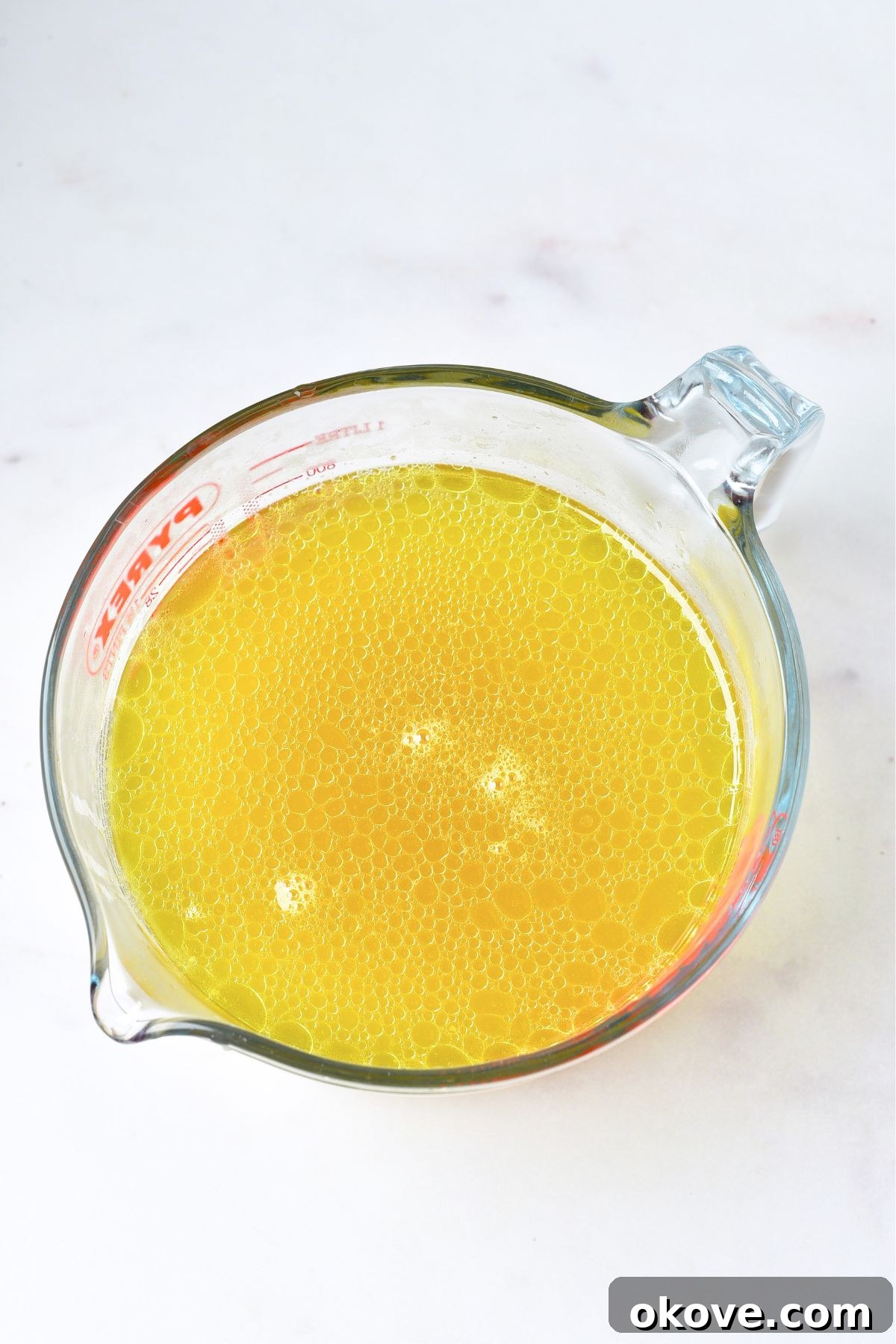
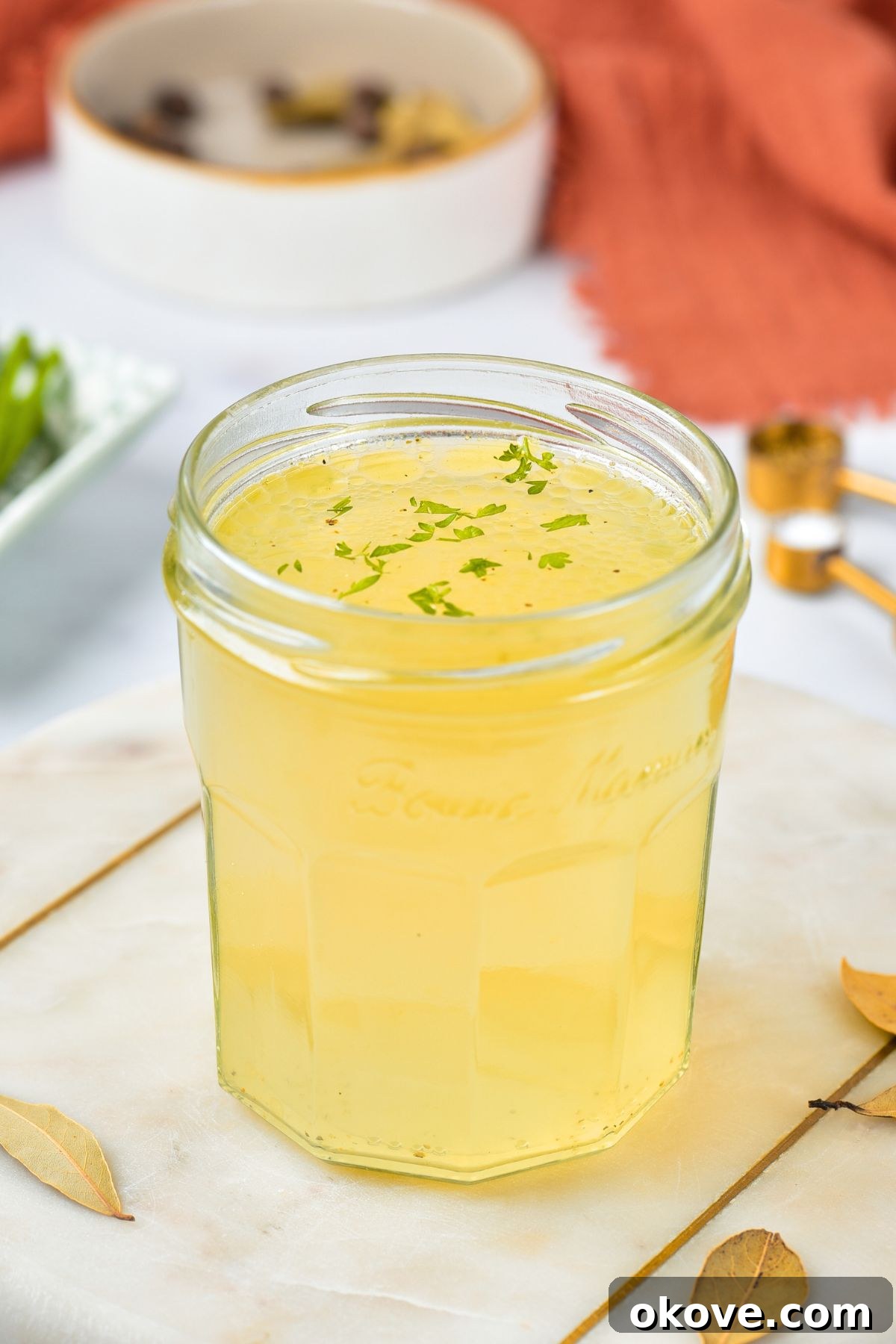
- Strain and Store: Once the stock has simmered to your liking, remove the pot from the heat. Carefully strain the liquid through a fine-mesh sieve into a clean, heat-proof container. You can line the sieve with cheesecloth for an even clearer stock, though it’s not strictly necessary. Discard all the cooked solids. If desired, you can pick any bits of cooked chicken meat from the bones and reserve them for chicken noodle soup, gravies, or casseroles. Allow the stock to cool completely before pouring it into airtight glass jars or freezer-safe containers with lids. Store in the refrigerator for immediate use or freeze for longer storage.
Expert Tips for the Best Homemade Stock
Achieving a consistently excellent homemade chicken stock involves a few tried-and-true techniques. Keep these expert tips in mind to maximize flavor, clarity, and richness:
- Don’t Skip Charring Your Veggies: While optional, taking the extra 3-4 minutes to lightly char the onion and carrot in a dry skillet beforehand makes a significant difference. It caramelizes their sugars, imparting a deeper, more complex flavor and a richer, more appealing color to your finished stock.
- Always Start with Cold Water: Adding your chicken and vegetables to cold water is crucial. As the water slowly heats up, it gradually extracts impurities and allows them to rise to the surface as foam. This makes it easier to skim them off, leading to a clearer and cleaner-tasting stock.
- Skim the Foam Religiously: Don’t overlook the skimming step! As your stock comes to a boil, a layer of foamy scum will appear. Removing this helps to clarify the stock, preventing it from becoming cloudy and ensuring a purer flavor. Continue to skim as needed during the initial stages of simmering.
- Maintain a Gentle Simmer: A rolling boil will agitate the ingredients, emulsifying fats and breaking down solids, which can lead to a cloudy stock. Aim for a very gentle simmer, with just a few small bubbles breaking the surface. This gentle heat ensures a slow, even extraction of flavors and nutrients.
- Consider a Splash of Vinegar: Adding 1-2 tablespoons of apple cider vinegar at the beginning of the process (before simmering) can help. Its mild acidity aids in extracting valuable minerals and collagen from the chicken bones, resulting in a more nutrient-dense and gelatinous stock. You won’t taste the vinegar in the final product.
- Incorporate Skin and Wings for Body: For a richer, more gelatinous stock, include chicken skin and parts like wings or feet. These are high in collagen, which breaks down into gelatin during simmering, giving your stock a wonderful body and mouthfeel.
- Hold the Salt: It’s best to keep your homemade stock unsalted. This allows you complete control over the seasoning of the dish you’ll be using it in. If you add salt to the stock, you might accidentally over-season your final meal, as the stock reduces and concentrates its flavors.
- Cool Quickly and Store Properly: After straining, let your stock cool to room temperature as quickly as possible (you can place the pot in an ice bath). Once cool, transfer it to airtight containers. It will last about 5 days in the refrigerator or up to 3 months in the freezer. Freezing in smaller portions (e.g., in ice cube trays or 1-2 cup containers) makes it convenient for future use.
Homemade Chicken Stock FAQs
Absolutely, yes! Chicken stock is generally richer, has a deeper flavor, and often a more gelatinous texture due to the collagen extracted from bones. This makes it a superior substitute for broth in most recipes, imparting more body and savory notes. If a recipe calls for broth and you use stock, your dish will likely taste even better.
Once properly cooled, homemade chicken stock can be stored in an airtight container in the refrigerator for up to 5 days. For longer storage, it freezes beautifully for up to 3 months. Make sure the stock cools completely before storing to ensure safety and prevent ice crystals.
The primary difference lies in the ingredients and cooking time. Chicken stock is typically made primarily from bones (often roasted), along with some meat and aromatics, and simmered for a longer duration (2-6 hours). This extended simmer extracts collagen from the bones, resulting in a richer flavor and a more gelatinous texture when chilled. Chicken broth, on the other hand, is usually made with more meat than bones, vegetables, and is simmered for a shorter period (typically 30-60 minutes), yielding a lighter flavor and thinner consistency. Stock is often considered a more versatile and foundational cooking liquid.
Yes, you absolutely can! While roasted chicken carcasses add an extra layer of flavor and color, raw chicken parts (like necks, backs, wings, or even a whole raw chicken) work perfectly fine for stock. You’ll still achieve a rich and nutritious result.
This is an excellent way to reduce food waste! Keep a bag in your freezer for vegetable scraps like onion peels and ends, carrot tops and peels, celery ends, and herb stems. Add them directly to your stockpot for extra flavor. Just avoid cruciferous vegetables like broccoli or cabbage, as they can make the stock bitter.
Cloudy stock is a common issue. It often happens if the stock is boiled too vigorously (instead of a gentle simmer), or if too many impurities weren’t skimmed from the surface at the beginning. Excessive agitation can break down small particles and fats, dispersing them throughout the liquid. While cloudy stock is still perfectly safe and flavorful, a clear stock is often preferred for aesthetic reasons. To remedy, you can strain it through cheesecloth multiple times or simply accept its rustic appearance!
The easiest way to defat chicken stock is to chill it in the refrigerator overnight. As it cools, the fat will solidify and rise to the top, forming a solid layer. You can then easily lift and discard this layer, leaving you with a beautifully defatted stock underneath. This also enhances the clarity and allows you to control the fat content in your recipes.
More Easy Recipes to Enjoy
Drinks
Orange Creamsicle Jello Shots
Desserts
Homemade Thin Mint Cookies
Appetizers
Spinach Artichoke Dip
Desserts
Peanut Butter Balls
If you have tried this recipe or any others from Celebrating Simply, I’d love it if you would leave a ⭐ star rating and share your thoughts in the ✍️ comments below. Your feedback means a lot!
Classic Homemade Chicken Stock Recipe

Equipment
-
Large Stockpot (8-12 quart capacity)
-
Slotted Spoon or Skimmer
-
Fine-Mesh Sieve
-
Storage Jars or Freezer-Safe Containers
Ingredients
- 1-2 pounds chicken parts (carcass from a roasted chicken, wings, necks, or a combination)
- 1 large carrot, cut in half
- 1 medium onion, cut in half
- 2 celery stalks, roughly chopped
- 2-3 bay leaves
- 1 teaspoon whole allspice
- 1 teaspoon black peppercorns
- Cold water, to cover
- Optional: 1-2 tbsp apple cider vinegar (to aid mineral extraction)
Instructions
-
Char the Vegetables: Halve the onion and carrot. Place them cut-side down in a dry skillet (no oil) over medium-high heat. Char for 3–4 minutes until they are lightly blackened and fragrant. This step deepens their flavor and adds color to the stock.
-
Combine Ingredients: Place the chicken parts, charred vegetables, celery, bay leaves, whole allspice, and black peppercorns into a large stockpot. Pour in enough cold water to fully cover all the ingredients by at least one to two inches. If using, add the apple cider vinegar now.
-
Simmer and Skim: Bring the water to a boil over high heat. As foam and scum rise to the surface, use a slotted spoon to diligently skim and discard them. This helps ensure a clear stock. Once most impurities are removed, reduce the heat to a very gentle simmer. Cover the pot with a lid, leaving it slightly ajar, and let it simmer for at least 2 hours, or up to 3-4 hours for maximum flavor extraction. The longer and gentler the simmer, the richer the stock.
-
Strain and Store: Remove the pot from heat. Carefully strain the liquid through a fine-mesh sieve into a clean, heat-proof container. Discard all solids. If desired, pick any remaining chicken meat off the bones for other uses. Allow the stock to cool completely before transferring it to airtight glass jars or freezer-safe containers with lids. Store in the refrigerator for up to 5 days or freeze for up to 3 months.
Recipe Notes
- Don’t skip the skim: Regularly skimming foam helps create a clearer and cleaner-tasting stock.
- Add a splash of vinegar (optional): A tablespoon or two of apple cider vinegar helps pull nutrients from the bones, making a richer, more mineral-dense stock without affecting taste.
- Use skin or wings: Including chicken skin, wings, or feet significantly increases the gelatin content, giving your stock more body and a luxurious mouthfeel.
- Add salt only later: Keep the stock unsalted to maintain flexibility. You can season your final dish to taste without worrying about over-salting from the stock itself.
Nutrition Information
Carbohydrates: 4g
Protein: 10g
Fat: 8g
Saturated Fat: 2g
Polyunsaturated Fat: 2g
Monounsaturated Fat: 3g
Trans Fat: 0.05g
Cholesterol: 39mg
Sodium: 47mg
Potassium: 184mg
Fiber: 1g
Sugar: 1g
Vitamin A: 2091IU
Vitamin C: 3mg
Calcium: 23mg
Iron: 1mg
Nutrition information is automatically calculated and should be used as an approximation. Exact values may vary.
Additional Info
Tried this recipe?Mention @celebratingsimplyrecipes or tag #celebratingsimplyrecipes!