
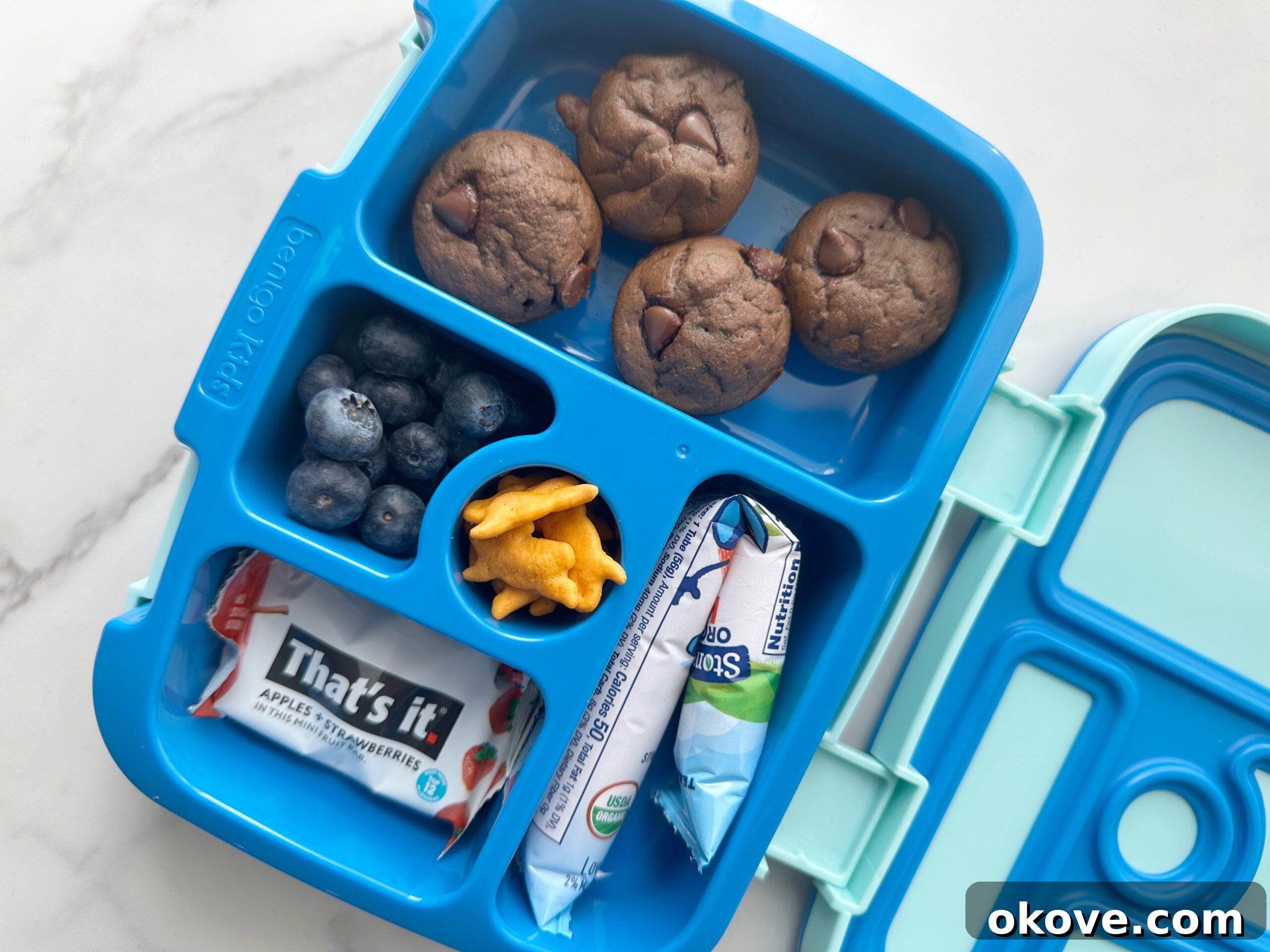
Simple & Savory: 5 Easy Toddler Lunchbox Ideas for Preschool & Daycare
The back-to-school season is here again, and for many of us, it marks a significant milestone! This year, my little one is embarking on their first preschool journey (*a few happy tears are inevitable*), and in celebration of this exciting new chapter, I’m thrilled to share some of our go-to toddler lunchbox ideas with you. These versatile meals are not just perfect for school or daycare; they’re also fantastic for family outings, playdates at the park, or even just a fun meal at home. Below, you’ll discover vibrant photos of each lunch, detailed descriptions of their contents, my top recommendations for durable and functional toddler lunchboxes, and crucial tips for keeping everything fresh and appealing throughout the day. Get ready to pack nourishing, exciting, and fuss-free lunches your little one will love!
Nourishing & Fun: Our Top 5 Toddler Lunchbox Ideas
Crafting a lunchbox that’s both appealing and nutritious for a toddler can sometimes feel like a culinary puzzle. Our goal is to offer a balance of protein, healthy fats, carbohydrates, and plenty of fruits and vegetables, all presented in a way that encourages little hands to dive in. These five ideas are designed to be customizable, easy to prepare, and most importantly, delicious enough to ensure empty lunchboxes come home.
#1: The Classic Comfort: Sandwich Lunch
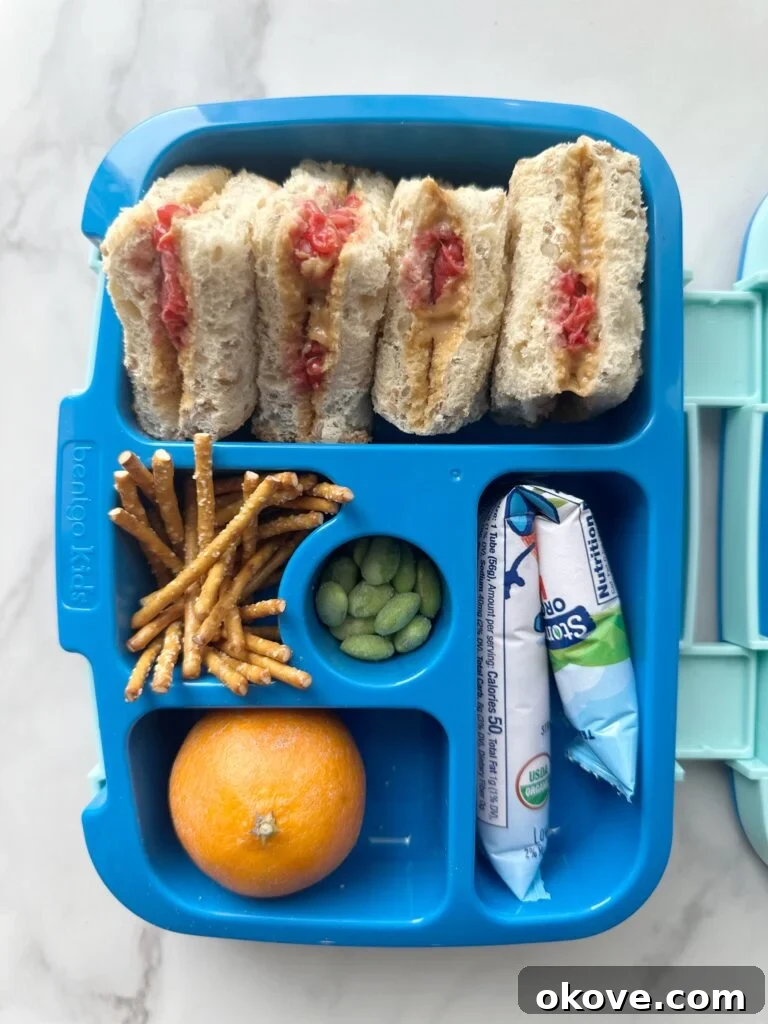
The humble sandwich remains a lunchbox hero for a reason – it’s versatile, easy to eat, and can pack a nutritional punch! For toddlers, it’s about making it fun and easy to manage. Here’s a look at one of our favorite sandwich-based lunch combinations:
What’s inside?
- Raspberry and Sunbutter sandwich: A fantastic nut-free alternative to peanut butter, Sunbutter offers healthy fats and protein. Paired with sweet raspberries, it creates a delicious and nutrient-dense filling. Cut into fun shapes with cookie cutters for extra appeal!
- Pretzels: These provide a satisfying crunch and a good source of carbohydrates for energy. They’re also great for developing fine motor skills as toddlers pick them up.
- Edamame: A super source of plant-based protein and fiber, shelled edamame are easy for little fingers to grasp and fun to pop. Lightly steamed and cooled, they add a vibrant green to the lunchbox.
- Clementine: Bursting with Vitamin C, clementines are naturally sweet, easy to peel, and perfectly portioned for toddlers, making them a mess-free fruit option.
- Yogurt: Packed with calcium for strong bones and probiotics for a healthy gut, yogurt is a creamy, protein-rich addition. Opt for plain unsweetened yogurt and add a swirl of fruit puree or a tiny drizzle of honey (for children over 1 year old) if desired.
#2: Creative & Healthy: Turkey Spinach Roll-Ups
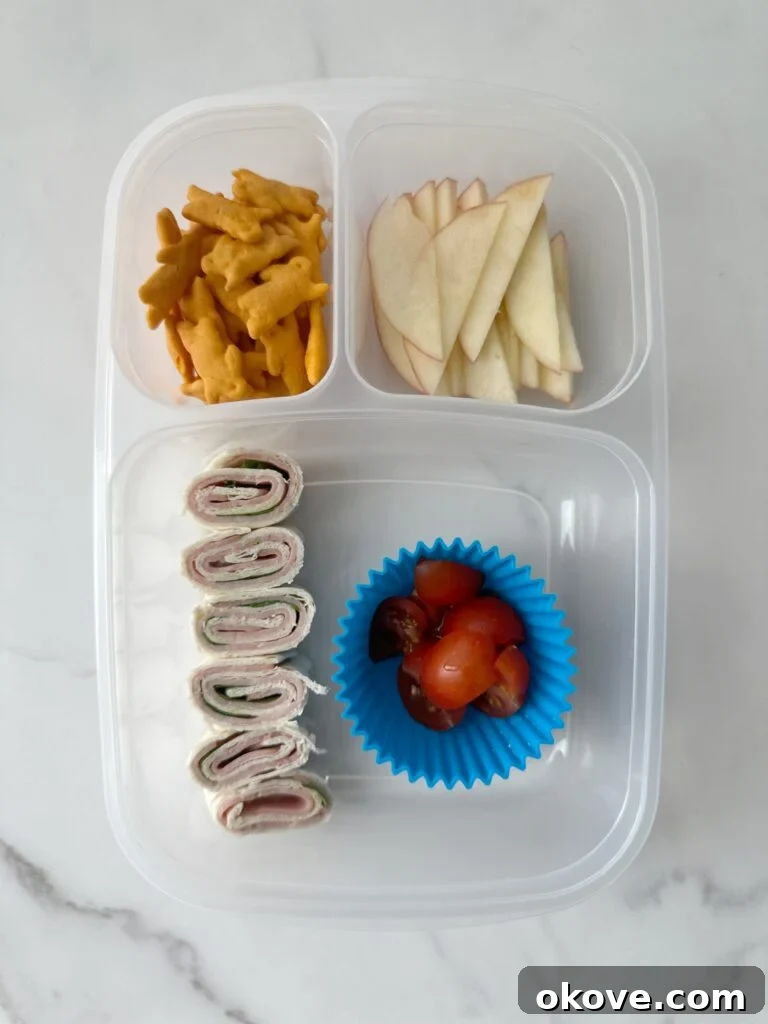
When your little one might be tired of traditional sandwiches, roll-ups offer a fun and engaging alternative. They’re incredibly customizable and a great way to sneak in extra veggies. These turkey and spinach roll-ups are always a hit:
What’s Inside?
- Turkey and spinach roll-up: Using whole-wheat tortillas, spread a thin layer of cream cheese or hummus, layer with thinly sliced turkey breast and fresh spinach. Roll tightly and slice into bite-sized pinwheels. This provides protein, iron, and a serving of greens in a kid-friendly format.
- Cherry tomatoes: These juicy little gems are rich in vitamins and antioxidants. Remember to always cut cherry tomatoes in half or quarters lengthwise for toddlers to prevent choking hazards.
- Thin apple slices: A classic lunchbox fruit, apples offer fiber and natural sweetness. Cutting them thinly makes them easier for toddlers to chew. (Don’t forget our tips below for keeping them from browning!)
- Annies Organic Bunnies: These organic cheese crackers are a fun and recognizable treat. They offer a bit of dairy and a satisfying crunch, making lunch more exciting.
#3: Muffin Magic: A Deliciously Different Lunch
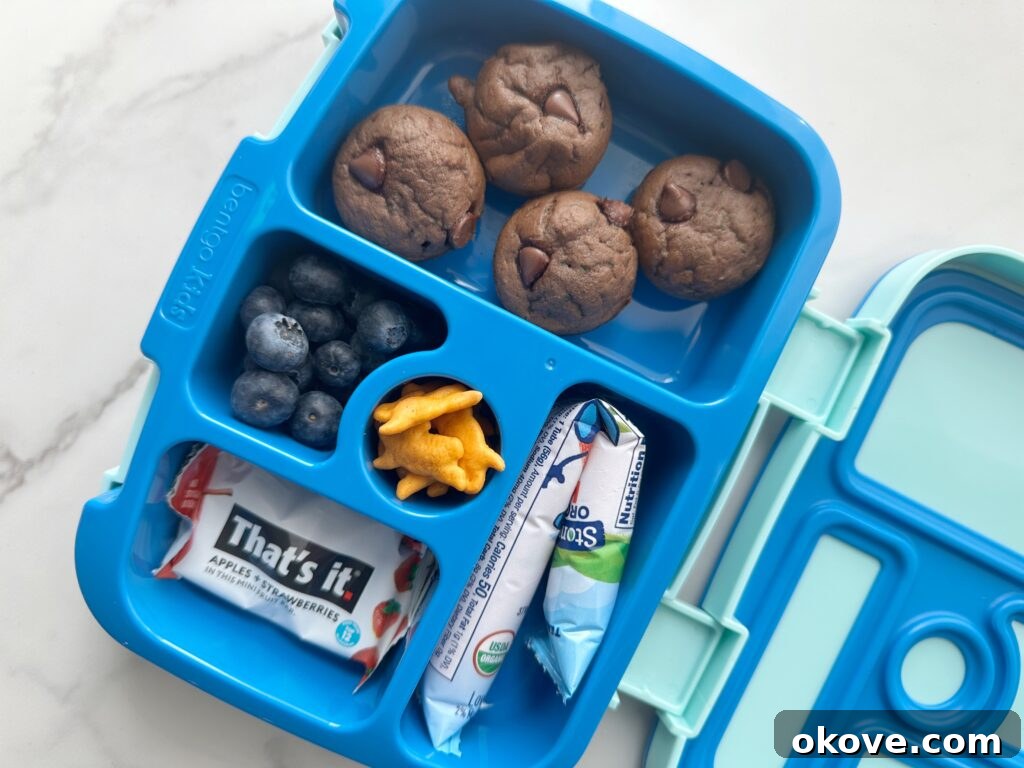
Muffins are a fantastic, versatile option for lunchboxes, especially when you can pack them with hidden goodness! They’re easy for toddlers to hold and eat independently, and can be made ahead of time for quick morning packing.
What’s Inside?
- Muffins (these are my chocolate veggie muffins): Homemade muffins, especially ones like our chocolate veggie variety, are brilliant for sneaking in vegetables like zucchini or carrots. They provide carbohydrates for sustained energy and are a comforting, familiar food.
- Blueberries: Packed with antioxidants and vitamins, blueberries are naturally sweet, soft, and require no cutting, making them an ideal finger food for toddlers.
- Yogurt: As mentioned before, yogurt is a staple for its calcium and gut-friendly probiotics. It complements the muffins well and adds a creamy texture to the meal.
- Annies Organic Bunnies: A familiar and enjoyable snack, providing a touch of savory crunch that balances the sweetness of the muffins and fruit.
- That’s It bar: These simple fruit bars are made from just fruit, providing natural sugars for quick energy and dietary fiber. They are a convenient, whole-food snack for busy days.
#4: Flavorful & Fun: Quesadilla Delights
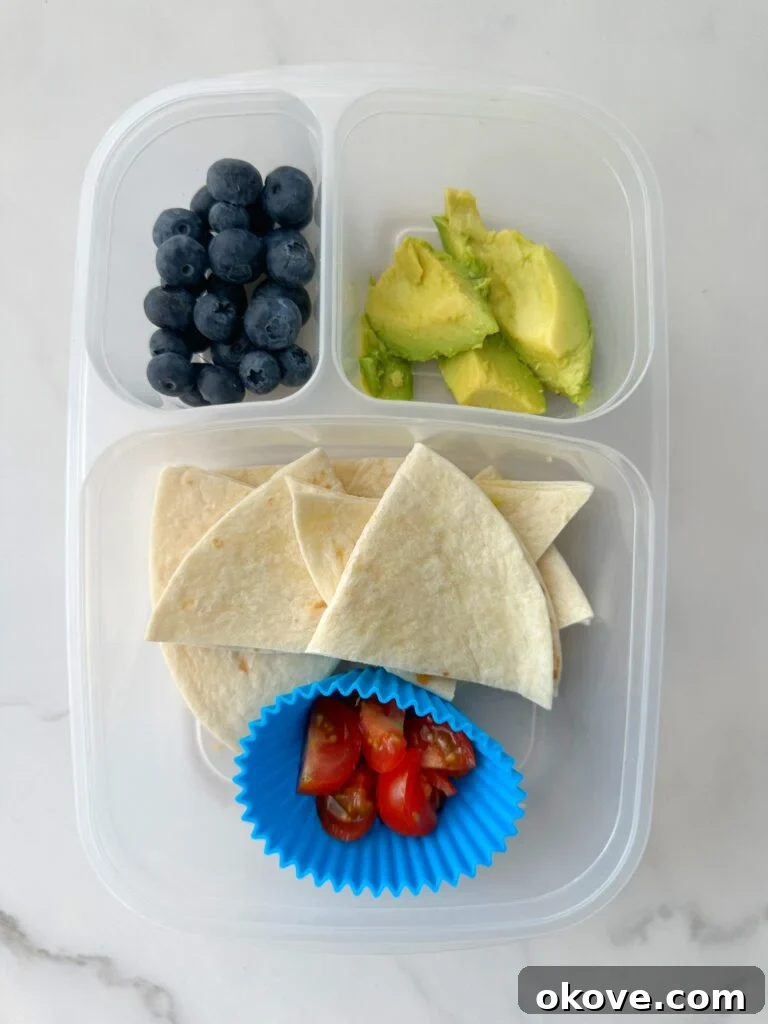
Quesadillas are quick to prepare, incredibly customizable, and a fantastic way to offer warm food (if packed in a thermos) or enjoyed at room temperature. They are also an excellent vehicle for cheese and other fillings.
What’s Inside?
- Quesadilla: Made with whole-wheat tortillas and mild cheddar or mozzarella cheese, a quesadilla offers calcium and protein. You can also add finely diced cooked chicken, black beans, or corn for extra nutrition. Cut into small wedges or strips for easy handling.
- Cherry tomatoes: Again, cut these in half or quarters lengthwise for safety. They add a fresh, tangy burst of flavor and essential vitamins.
- Avocado: A powerhouse of healthy fats, fiber, and vitamins, avocado adds a creamy texture and significant nutritional value. Cut into cubes or slices for toddlers to pick up easily. A squeeze of lemon juice can help prevent browning if packed separately.
- Blueberries: These little blue gems are a nutrient-rich, sweet, and easy-to-eat fruit, providing antioxidants and natural energy.
#5: Breakfast for Lunch: The Bagel Bonanza
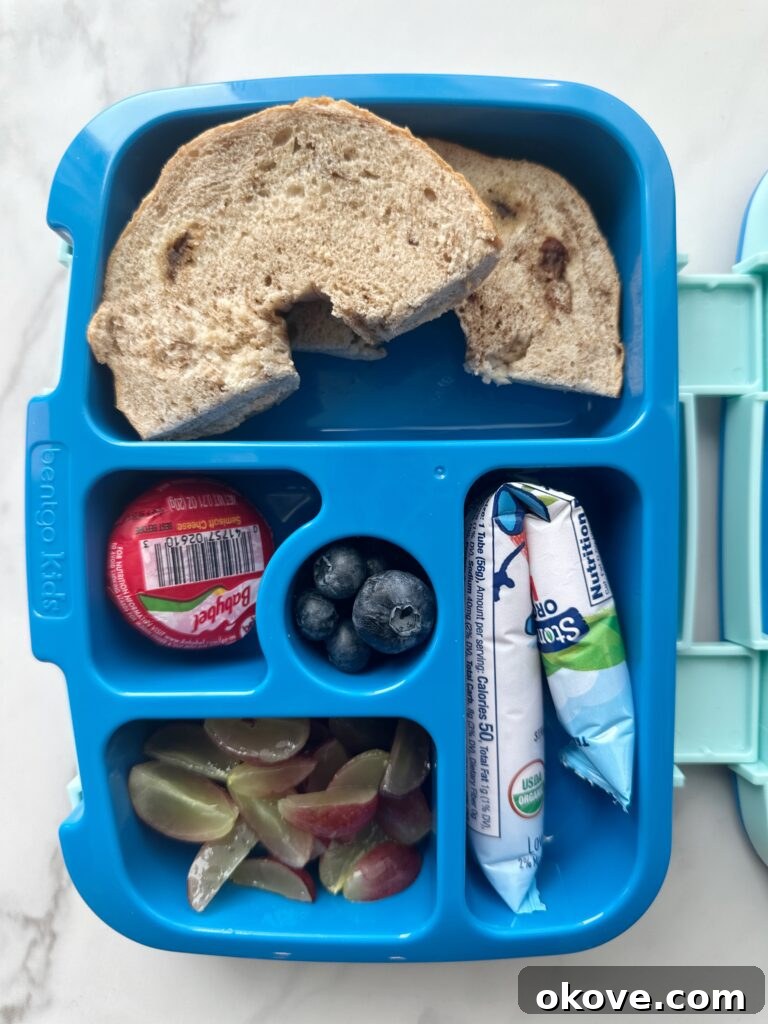
Who says bagels are just for breakfast? A bagel makes for a hearty and satisfying lunch, providing plenty of sustained energy for an active toddler. It’s wonderfully customizable with various toppings and sides.
What’s Inside?
- Bagel: A mini bagel or half a regular bagel, lightly toasted and spread with cream cheese, Sunbutter, or even a smear of avocado. It’s a great source of complex carbohydrates to keep energy levels stable.
- Cheese: A small block of cheese, like a Babybel or cheese stick, provides essential calcium and protein. Toddlers often enjoy peeling and unwrapping their own cheese, which also aids fine motor skill development.
- Yogurt: A familiar and loved item, offering creamy texture, protein, and probiotics to round out the meal.
- Grapes: Sweet and hydrating, grapes are a perfect addition. Always cut grapes in half or quarters lengthwise for toddlers to eliminate choking hazards.
- Blueberries: Another handful of these antioxidant-rich berries adds color, sweetness, and easy-to-eat nutrition.
Choosing the Perfect Lunchbox: Essentials for Success
The right lunchbox can make all the difference in keeping food fresh, organized, and appealing. For toddlers, leak-proof compartments and easy-to-open designs are key. Here are my tried-and-true favorites:
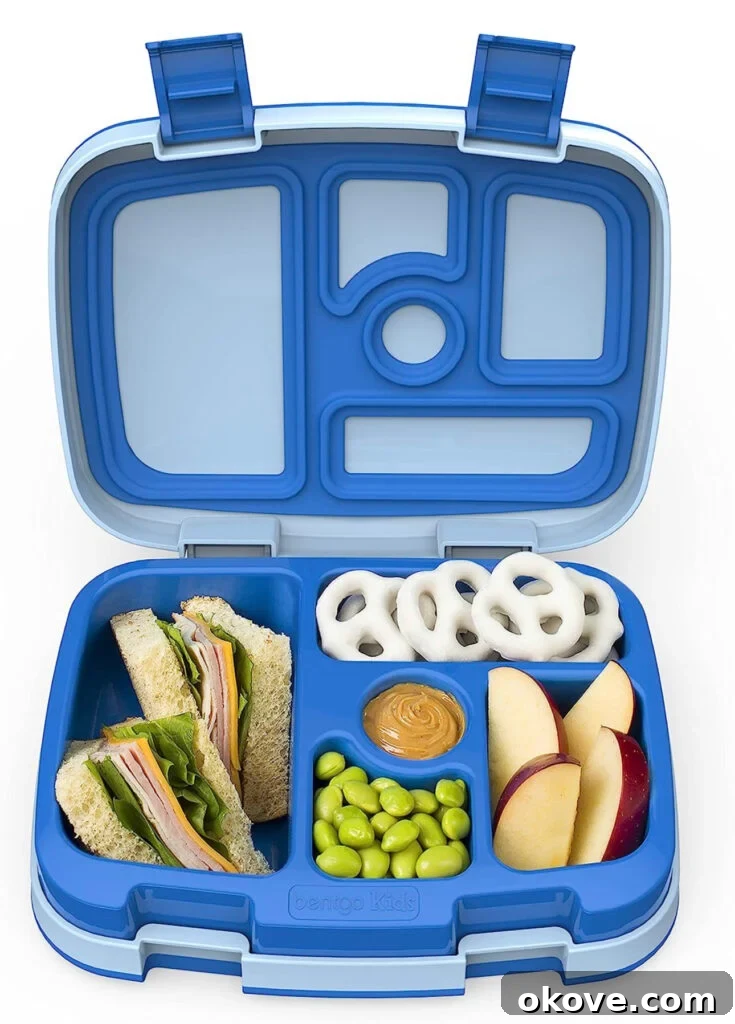
I consistently rely on these fantastic lunchboxes:
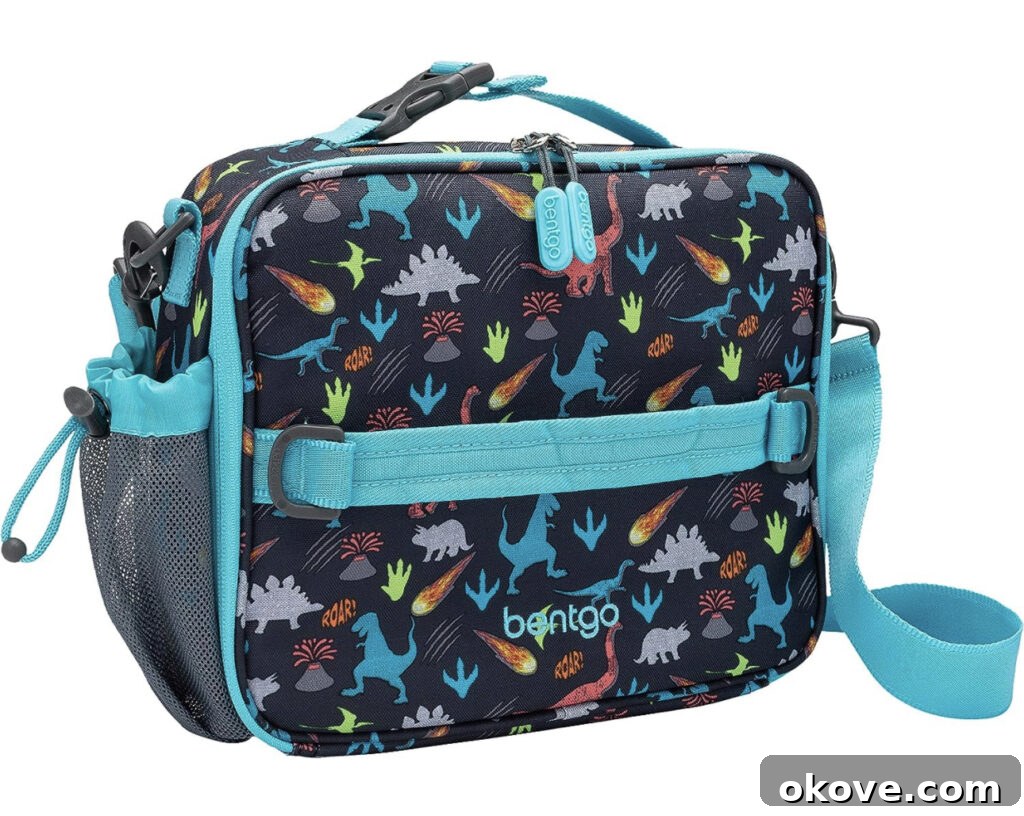
- BENTGO Kids Lunch Box
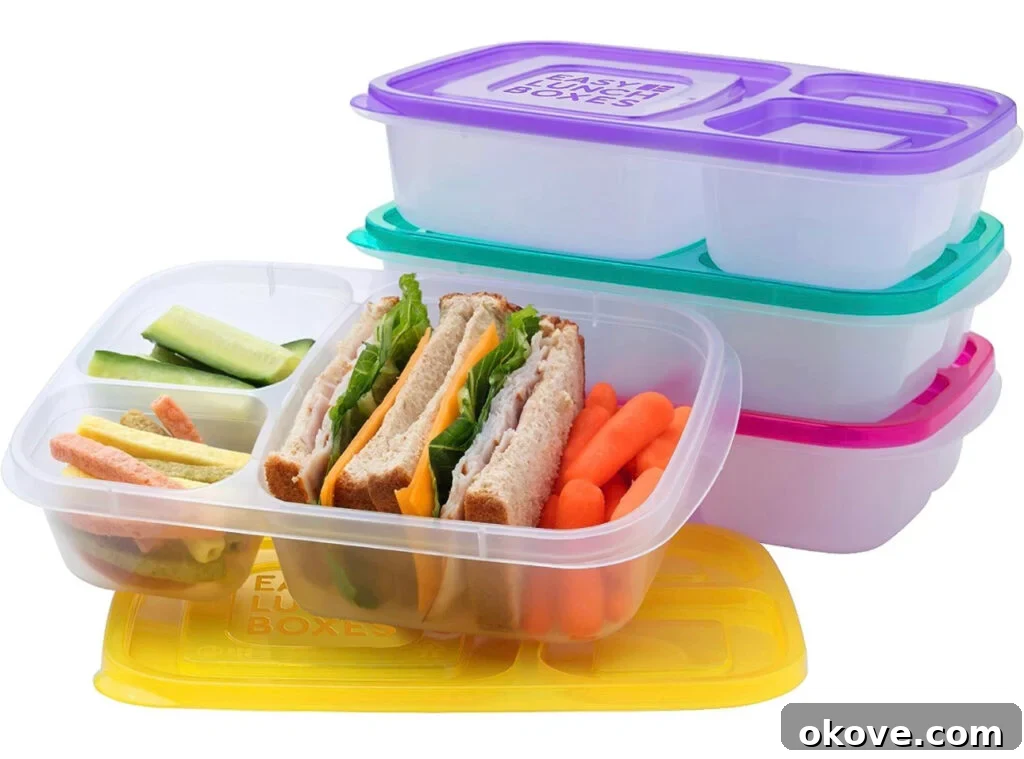
- EasyLunchboxes Bento Box
These are genuinely some of my absolute favorite toddler lunchboxes for a reason. Both the Bentgo and EasyLunchboxes offer multiple compartments, which are ideal for keeping different food items separate and preventing sogginess. They are durable, easy to clean, and designed with little hands in mind. Beyond the lunchbox itself, I highly recommend investing in an insulated lunch bag and at least two good-quality ice packs. The trick to keeping food optimally cold and fresh throughout the day is to position one ice pack on the bottom of the insulated bag and another on top of the lunchbox. This creates an enveloping cold environment that lasts for hours, ensuring food safety and deliciousness.
Essential Tips for Packing & Keeping Lunches Fresh
Ensuring food remains appetizing and safe to eat until lunchtime is crucial. Here are some invaluable tips, especially for preventing those pesky brown spots on fruit and maintaining overall freshness:
Mastering Fruit Freshness: No More Brown Apples!
Apples and other fruits can quickly brown once cut, making them less appealing. Here’s how to keep them looking and tasting fresh:
- 1. The Citrus Secret: Lemon juice (or a tiny bit of lime juice) is truly magical in the battle against browning. Before slicing apples or avocados, give them a gentle soak in a bowl of water mixed with a splash of lemon juice (about a tablespoon per cup of water). The citric acid acts as a natural antioxidant, inhibiting the enzymatic reaction that causes browning. This simple step helps maintain their vibrant color and crisp freshness for hours.
- 2. Precision Slicing: When slicing apples for toddlers, aim for relatively thin slices. Not only does this significantly reduce the risk of choking, but thinner slices actually brown less quickly than thicker ones because there’s less surface area exposed to oxygen. Consider using an apple slicer to get uniform pieces.
- 3. Airtight Protection (Plastic Wrap or Containers): After treating with citrus, wrap the apple slices tightly in plastic wrap or pack them into a small, airtight container. This protective layer creates a barrier between the slices and the air, which is the primary cause of oxidation and browning. For other fruits like berries, an airtight container also prevents crushing and keeps them plump.
- 4. Keep It Cool: Always pack fruit in an insulated lunch bag with ice packs. Cold temperatures slow down enzymatic reactions, further extending the freshness and preventing spoilage.
- 5. Explore Other Fruits: Don’t forget other fantastic fruits that hold up well in lunchboxes, such as whole grapes (halved/quartered for toddlers), blueberries, raspberries, clementines, and melon cubes.
The “Safe Foods” Philosophy: Fueling Happy Learners
It’s natural for parents to want their children to develop a diverse palate and eat a wide variety of healthy foods. However, when it comes to packing a lunchbox for school or daycare, I advocate for what I call the “safe foods” philosophy. This means primarily packing foods that I know my child likes and will confidently eat. Why this approach? Because my priority is for him to feel adequately fueled and satisfied during his time away from home, ensuring he never feels hungry or lacking energy.
A well-fed child is a happy child, and adequate nutrition directly impacts their energy levels, focus, and overall mood throughout the day. While I actively work on introducing new foods and expanding his culinary horizons at home, away from the familiar environment and comfort of our kitchen, I want to minimize any potential stress or anxiety around mealtime. The classroom or daycare setting is already a new and stimulating environment, and presenting familiar, loved foods can provide a sense of comfort and security. This strategy ensures he has enough energy for learning, playing, and navigating his new social world.
So, please, feel empowered to drop any guilt you might carry about not packing the “perfect” or most adventurous lunch. It’s perfectly acceptable and often beneficial to include items your child genuinely likes and will consume, even if they might not be the most nutritionally dense items every single day. Focus on balanced nutrition at home, and let the lunchbox be a source of consistent, joyful sustenance. A child who eats their lunch is better off than a child who brings a perfectly balanced but untouched meal home.
Safety First: Important Reminders for Lunch Prep
While these ideas offer a fantastic starting point, it is absolutely paramount to customize all food items according to your child’s age, developmental stage, and specific chewing and swallowing abilities. Food safety, especially concerning choking hazards, cannot be overstated.
Always remember to:
- Cut Foods Appropriately: For toddlers, certain foods must be cut into small, manageable pieces. This includes grapes, cherry tomatoes (always halved or quartered lengthwise!), hot dogs, large chunks of meat or cheese, nuts, seeds, and any round, firm, or sticky items. When in doubt, cut it smaller.
- Be Mindful of Textures: Foods that are sticky, chewy, or hard can pose a greater choking risk. Consider how your child handles different textures and adjust accordingly.
- Address Allergies: If your child has allergies or sensitivities, or if their school has specific allergy policies (e.g., nut-free), always ensure your lunch preparations comply fully.
- Personalize Preferences: These are just ideas to spark inspiration! Feel free to swap ingredients, introduce your child’s favorite components, or adapt them to suit their unique tastes and dietary needs. The goal is a happy, well-fed child.
A Happy & Healthy School Year Awaits!
I truly hope these toddler lunchbox ideas and practical tips bring ease and excitement to your daily packing routine. Wishing your little ones a fantastic, fun-filled, and well-nourished school year! May their lunchboxes always come home empty and their spirits high.