
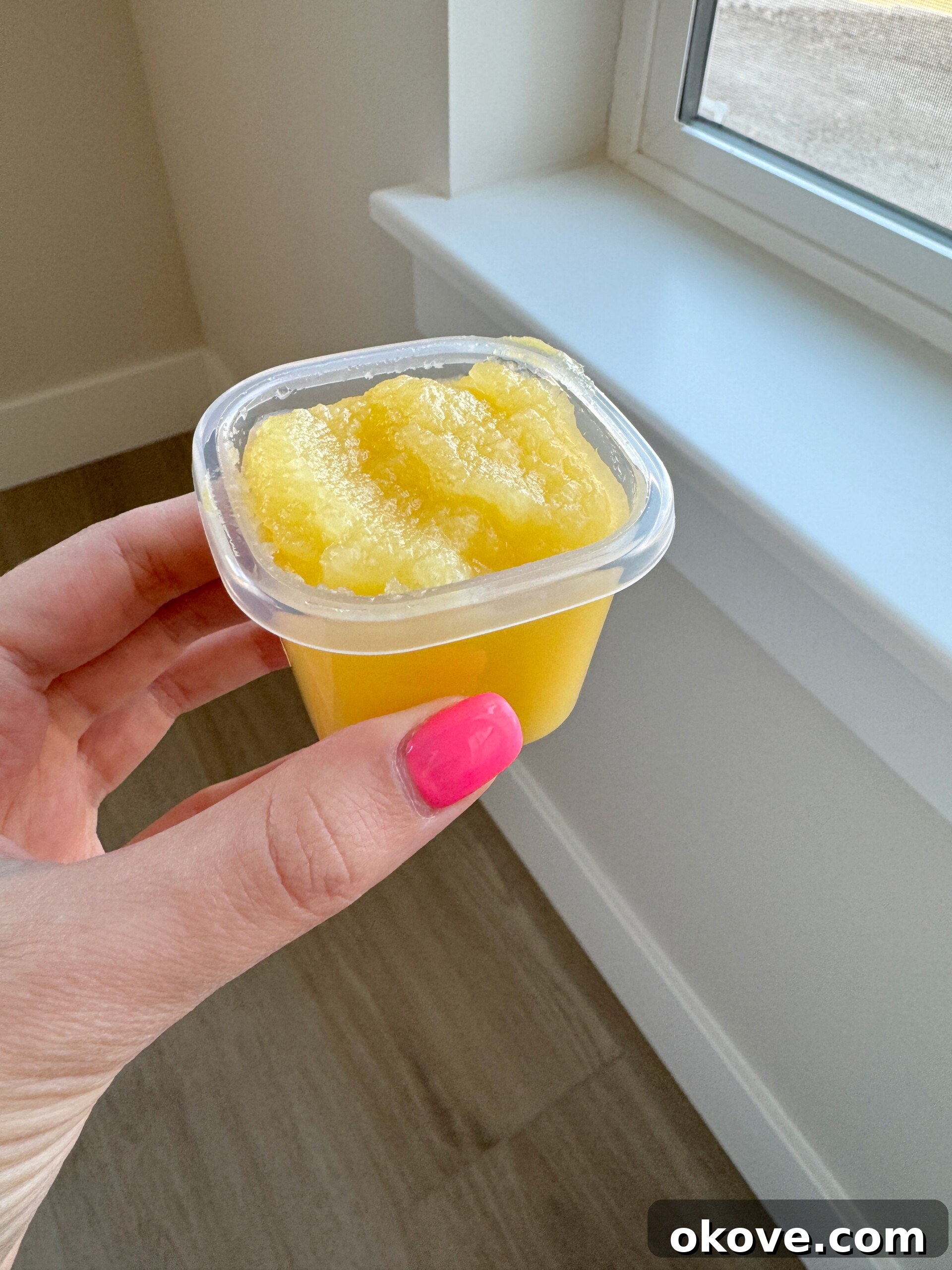
Homemade Unsweetened Applesauce: A Wholesome & Easy Recipe for the Whole Family
Discover how effortlessly you can create delicious, naturally sweet applesauce with just one core ingredient. Perfect for babies starting their solid food journey, growing toddlers, or as a healthy, versatile snack for the entire family. Say goodbye to added sugars and preservatives and hello to a pure, nutritious treat!
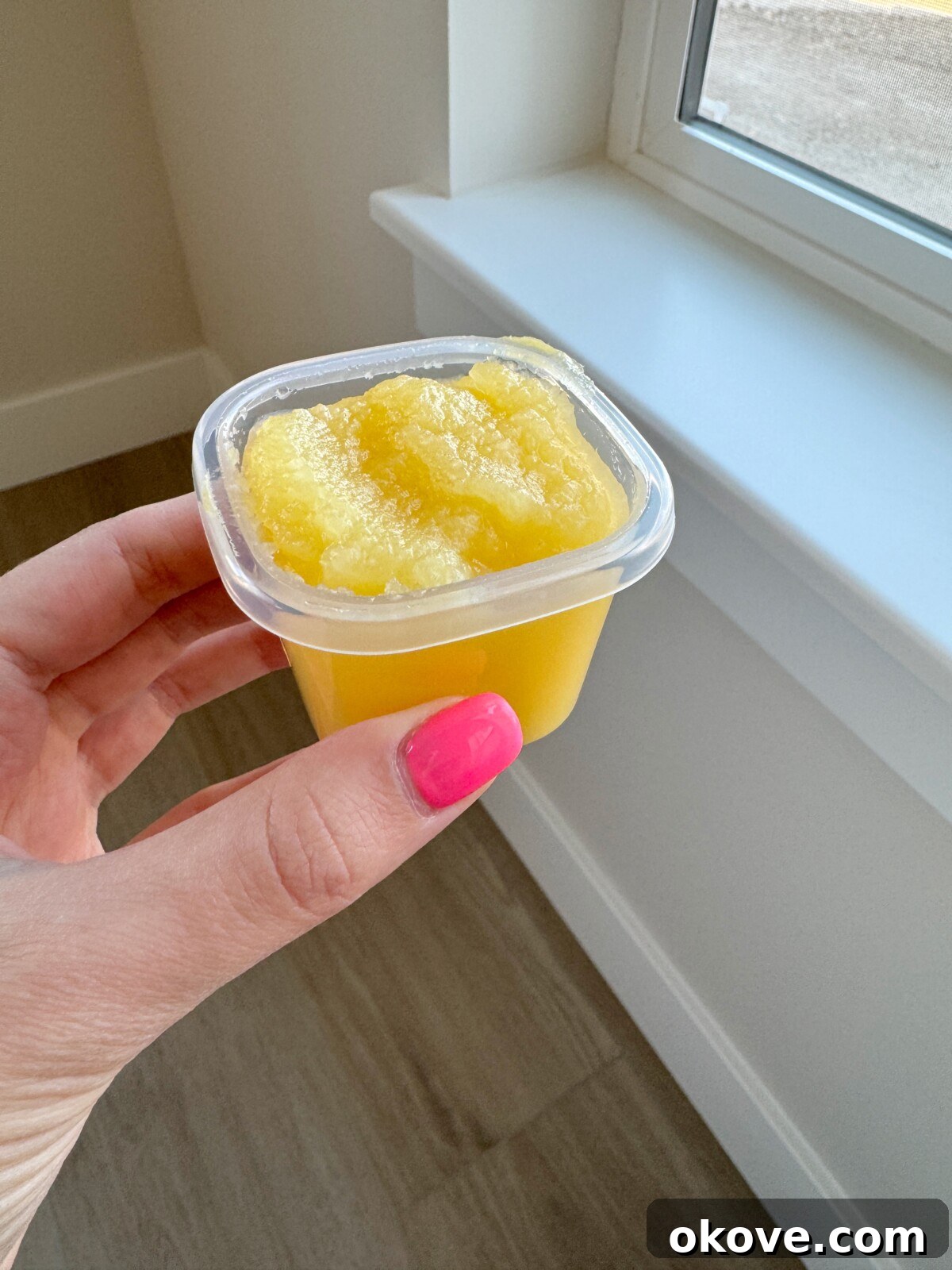
Why Choose Homemade Unsweetened Applesauce?
In a world full of processed foods and hidden sugars, making your own unsweetened applesauce is a simple yet impactful choice for health and well-being. It provides complete control over ingredients, ensuring no artificial flavors, colors, or unnecessary sweeteners. This means you’re offering your family, especially the youngest members, a pure and natural source of nutrition.
Beyond its health benefits, homemade applesauce is incredibly economical. Apples are readily available and often affordable, allowing you to create large batches for a fraction of the cost of store-bought alternatives. Plus, the satisfaction of making something so wholesome and delicious from scratch is truly rewarding.
The versatility of unsweetened applesauce makes it a kitchen staple. It’s not just a snack; it’s an ingredient that can transform many dishes, adding natural sweetness and moisture without overpowering other flavors. From baby food purees to baking substitutes, its applications are endless, making it a valuable addition to any healthy kitchen.
Selecting the Perfect Apples for Your Applesauce
While any apple variety can be used to make applesauce, the choice of apple significantly influences the final flavor, sweetness, and texture. Experimenting with different types or combinations allows you to customize your applesauce to your family’s preferences.
- Sweet Apples: Varieties like Fuji, Gala, Honeycrisp, and Golden Delicious will yield a naturally sweeter applesauce, often requiring no additional flavor enhancements. They break down beautifully and offer a delightful aroma.
- Tart Apples: Granny Smith, Braeburn, and Pink Lady apples bring a pleasant tanginess. If you prefer a less sweet applesauce or plan to mix it with other sweet fruits, these are excellent choices. A blend of sweet and tart apples often creates the most balanced flavor profile.
- Best for Quick Breakdown: McIntosh, Cortland, and Rome Beauty apples are known for softening quickly and creating a very smooth, consistent applesauce with minimal effort.
Consider using organic apples when possible to minimize exposure to pesticides. Regardless of the variety, ensure your apples are fresh, firm, and free from bruises or blemishes for the best flavor and quality.
Ingredients: Simplicity at Its Best
The beauty of this recipe lies in its minimalist approach. You truly only need one main ingredient to create a wholesome, delicious applesauce. However, a couple of optional additions can enhance its flavor and appearance.
- 6 Apples: (Approximately 2 pounds) Choose your preferred variety or a mix, as discussed above. This quantity yields about 4-6 servings.
- Water: Enough to just cover the apples in the saucepan. Filtered water is recommended for the purest taste.
Optional Enhancements:
- Cinnamon: A pinch (1/4 to 1/2 teaspoon) added during cooking or blending complements the natural sweetness of apples beautifully.
- Nutmeg: A dash of nutmeg (1/8 teaspoon) can add a warm, comforting note.
- Lemon Juice: A squeeze (1/2 teaspoon) of fresh lemon juice not only brightens the flavor but also helps prevent the applesauce from browning, keeping it visually appealing, especially for larger batches.
Step-by-Step Instructions: Crafting Your Homemade Applesauce
Making unsweetened applesauce is an incredibly straightforward process, perfect for even novice cooks. Follow these simple steps to create a delightful batch.
-
Prepare the Apples:
Begin by thoroughly washing your chosen apples. Using a sharp knife or a vegetable peeler, carefully peel the skin from each apple. Next, core the apples to remove the seeds and tough center. Finally, chop the peeled and cored apples into roughly uniform chunks. Aim for pieces about 1-inch in size, as this ensures they cook evenly and quickly. Consistent sizing also helps in achieving a smoother blend later.
-
Cook the Apples:
Transfer the chopped apples into a large, heavy-bottomed saucepan or pot. Pour in just enough water to barely cover the apples. You don’t want to drown them, as excess water can dilute the flavor and make your applesauce too thin. Place the saucepan over medium-high heat and bring the water to a rolling boil.
-
Boil Until Soft:
Once the water is boiling, reduce the heat to medium-low, cover the pot with a lid, and let the apples simmer gently. Continue cooking for approximately 5 to 10 minutes, or until the apples are incredibly soft and tender. You should be able to easily pierce them with a fork with very little resistance. The cooking time may vary slightly depending on the apple variety and the size of your chunks. Stir occasionally to prevent sticking.
-
Blend Until Smooth:
Carefully drain the cooked apples, reserving some of the cooking liquid. Transfer the soft apples to a blender, food processor, or use an immersion blender directly in the pot. Blend the apples until you achieve your desired consistency. For a super smooth puree suitable for babies, blend longer. For a slightly chunkier applesauce preferred by toddlers and adults, blend for a shorter period. If the applesauce is too thick, gradually add small amounts of the reserved cooking liquid (or fresh water) until it reaches your preferred texture. Be cautious when blending hot liquids; ensure the lid is securely fastened and vent any steam.
-
Cool and Serve:
Allow the freshly blended applesauce to cool down completely before serving, especially to toddlers and babies. As it cools, it will thicken slightly. Serve it as is, or stir in a pinch of cinnamon or nutmeg for an extra layer of flavor. It’s a delightful snack on its own or as an accompaniment to other meals.
The Nutritional Benefits of Unsweetened Applesauce
Unsweetened applesauce is more than just a tasty treat; it’s a nutritional powerhouse, especially when made from scratch without added sugars. Apples are naturally rich in essential vitamins, minerals, and dietary fiber, making them an excellent choice for a healthy diet.
- Rich in Vitamins: Apples contain Vitamin C, an antioxidant that boosts the immune system, and Vitamin K, which is important for blood clotting and bone health.
- High in Dietary Fiber: The pectin in apples, a soluble fiber, is excellent for digestive health. It helps regulate bowel movements, prevent constipation, and supports a healthy gut microbiome. For babies and toddlers, this fiber aids in smooth digestion and can alleviate common tummy troubles.
- Natural Antioxidants: Apples are packed with powerful antioxidants, such as flavonoids and polyphenols, which help protect the body’s cells from damage caused by free radicals, potentially reducing the risk of chronic diseases.
- Hydration: Apples have a high water content, contributing to overall hydration, which is crucial for young children and adults alike.
- No Added Sugars: This is perhaps the most significant benefit. Commercial applesauces often contain significant amounts of added sugars, which can contribute to dental problems, weight gain, and an early preference for overly sweet foods. Homemade unsweetened applesauce relies solely on the natural sugars of the fruit, fostering healthier eating habits from an early age.
Incredibly Versatile: More Than Just a Snack
Once you’ve mastered homemade unsweetened applesauce, you’ll find it’s an indispensable ingredient in your kitchen. Its mild, natural sweetness and smooth texture open up a world of culinary possibilities.
- A Standalone Snack: The most obvious use! Enjoy it chilled straight from the fridge, perhaps with a sprinkle of cinnamon or a dollop of yogurt.
- Breakfast Topping: Elevate your breakfast by spooning applesauce over oatmeal, overnight oats, pancakes, waffles, or French toast. It’s a healthier alternative to syrups and jams.
- Yogurt Mixer: Stir it into plain yogurt for a naturally sweetened, fruity treat without artificial flavors.
- Baking Substitute: Applesauce can replace oil, butter, or even sugar in many baked goods like muffins, cakes, and quick breads. It adds moisture and natural sweetness, reducing the fat and calorie content. Generally, substitute applesauce cup for cup for oil/butter, or use half the amount of sugar.
- Accompaniment to Savory Dishes: Its slight sweetness pairs wonderfully with roasted pork, chicken, or duck, cutting through richness and adding a delicious counterpoint.
- Baby Food Base: It’s an ideal first food and a fantastic base for mixing with other fruit or vegetable purees, introducing new flavors and textures to your little one.
- Smoothie Ingredient: Add a spoonful to your morning smoothie for natural sweetness, fiber, and a creamy texture.
- Marinades and Sauces: Incorporate it into marinades for meats or whisk it into homemade salad dressings for a touch of fruity sweetness.
Smart Storage Solutions for Freshness and Convenience
Making a larger batch of applesauce is highly recommended, as it saves time and ensures you always have a healthy snack on hand. Proper storage is key to maintaining its freshness and extending its shelf life.
-
Refrigerator Storage:
Once your applesauce has cooled completely, transfer it to airtight containers. Glass jars or BPA-free plastic containers work best. Store the applesauce in the refrigerator for up to 5 to 7 days. This makes it perfect for meal prepping and having ready-to-eat snacks throughout the week.
-
Freezer Storage for Longer Shelf Life:
For longer-term storage, freezing is an excellent option. Homemade applesauce can be frozen for up to 3 months without significant loss of quality or flavor.
- Portioning for Babies/Toddlers: Pour cooled applesauce into ice cube trays. Once frozen solid, transfer the cubes to a freezer-safe bag or container. This allows you to thaw small, single-serving portions as needed.
- Larger Portions: For family-sized portions, use freezer-safe containers or heavy-duty freezer bags. Leave about an inch of headspace in containers to allow for expansion during freezing.
To thaw, simply transfer frozen applesauce to the refrigerator overnight. Alternatively, you can gently defrost it in the microwave using a defrost setting or on the stovetop over low heat, stirring frequently.
Always ensure containers are clean and dry before filling, and label them with the date to keep track of freshness.
Tips for Applesauce Success and Creative Variations
Even though this recipe is simple, a few extra tips can ensure perfect results every time, and encourage you to explore new flavors.
- Achieving Desired Consistency: If your applesauce is too thick, add a tablespoon of water or apple juice at a time during blending until it reaches your preference. If it’s too thin, you can return it to the saucepan and simmer uncovered for a few minutes to allow some liquid to evaporate.
- Preventing Browning: A squeeze of lemon juice (about 1/2 teaspoon per 6 apples) added during cooking or blending will help maintain a bright, appealing color by inhibiting oxidation.
- Spice It Up: Don’t limit yourself to just cinnamon. Try a pinch of allspice, ground ginger, or a tiny amount of vanilla extract for different flavor profiles.
- Mixed Fruit Applesauce: Get creative by adding other fruits! Pears, peaches, plums, or even berries can be cooked alongside the apples for a mixed-fruit puree. Adjust cooking times as some fruits soften faster than apples.
- Hidden Veggies: For an extra nutritional boost, particularly for picky eaters, try simmering a small amount of sweet potato or butternut squash along with the apples. Their natural sweetness blends seamlessly.
- Slow Cooker Method: For a hands-off approach, you can cook the apples in a slow cooker. Combine peeled, cored, and chopped apples with a splash of water (about 1/4 cup) and cook on low for 4-6 hours or until very soft. Blend as usual.