

Conquering Picky Eaters: 12 Creative & Nutritious Meal Ideas for Happy Toddlers
Every parent navigating the fascinating world of toddlerhood eventually encounters the formidable challenge of the picky eater. Mealtimes can quickly transform from a joyous family affair into a source of frustration, filled with untouched plates, endless negotiations, and persistent worries about adequate nutrition. It’s a common developmental phase, yet one that can leave parents feeling overwhelmed and stressed. At Real Little Meals, we deeply understand these struggles, and we’re committed to transforming mealtime battles into moments of triumph. We’ve meticulously curated a collection of 12 creative, genuinely delicious, and nutrient-packed meal ideas specifically designed to captivate even the most selective palates, ensuring your little ones receive the essential nourishment they need to grow strong and thrive.
Our philosophy centers on making food an exciting adventure, an engaging experience that introduces a diverse spectrum of flavors and textures in ways toddlers naturally adore. From enticing finger foods that empower independent eating to highly customizable dishes that give children a precious sense of control, these toddler-approved meals are much more than mere recipes. They are thoughtful strategies aimed at fostering a positive and enduring relationship with food from the earliest stages of life. Prepare to embark on a culinary journey that promises to make mealtimes enjoyable, peaceful, and nourishing for your entire family.
Making Mealtime Fun and Nutritious: Our Top 12 Toddler-Approved Recipes
-
Peanut Butter Banana Roll-Ups: A Wholesome & Engaging Snack
This timeless combination remains a consistent favorite, and for excellent reasons! To prepare these delightful roll-ups, begin by spreading a thin, even layer of your child’s favorite peanut butter (or a suitable nut/seed butter if allergies are a concern) onto a soft, whole-grain tortilla. Position a ripe banana near one edge of the tortilla, then carefully roll it up tightly. Once rolled, slice the creation into small, manageable coin-sized pieces, perfectly shaped for little hands to grasp and explore independently. These roll-ups are not only incredibly tasty but also serve as a fantastic source of healthy fats, vital protein, and essential potassium. The whole-grain tortilla thoughtfully contributes beneficial fiber, making this a well-rounded mini-meal or a highly satisfying snack. It’s an ideal method for gently introducing creamy textures and naturally sweet flavors in a comforting and non-intimidating format.
Picky Eater Tip: Encourage your toddler’s involvement by letting them help spread the peanut butter (with close supervision) or by allowing them to choose the banana. Active participation often significantly boosts their willingness to try the food.
-
Mini Whole Grain Pizzas: Empowering Culinary Creativity
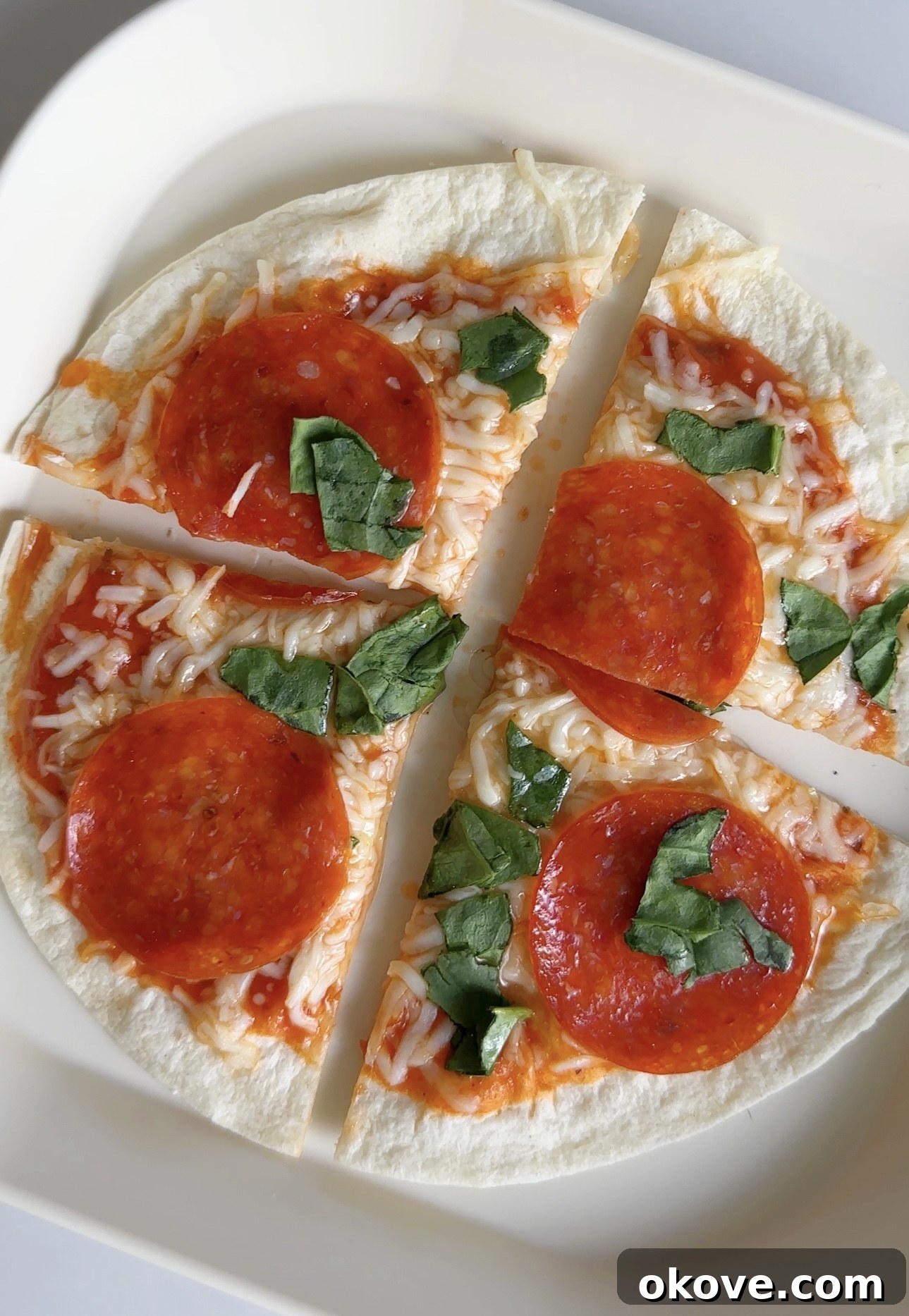
Which child doesn’t light up at the mention of pizza? Our mini whole-grain pizzas ingeniously transform this universally beloved dish into a healthy, highly customizable, and interactive meal. Begin with whole-grain English muffins, mini whole-wheat pita bread, or even small whole-wheat bagels as your base. Lightly toast them to achieve a pleasant texture and prevent sogginess. Next, provide a mild, low-sugar, and low-sodium tomato sauce, a sprinkle of shredded mozzarella or a mild cheddar cheese, and a small, carefully chosen selection of toppings. Consider finely diced bell peppers, tiny pieces of cooked mushrooms, or a small amount of cooked, crumbled lean meat like turkey. The magic ingredient here is allowing your little one to be the “chef”! This hands-on activity grants them a sense of control over their meal, dramatically increasing the probability that they will eagerly try what they’ve proudly created. It’s a wonderfully fun and subtle way to introduce new vegetables, cleverly disguised by the comforting familiarity of pizza.
Nutritional Boost: Whole grains offer sustained energy and vital fiber, while cheese delivers essential calcium and protein. For an extra, undetectable veggie boost, try pureeing carrots or zucchini directly into the tomato sauce.
-
Sweet Potato Bites with Black Beans: A Flavorful & Nutrient-Dense Duo
Sweet potatoes are an undeniable nutritional powerhouse, generously packed with Vitamin A, dietary fiber, and natural sweetness. Black beans complement this perfectly by adding a significant boost of plant-based protein and iron. To craft these delightful bites, cut sweet potatoes into small, uniform ½-inch cubes. Gently toss them with a light drizzle of olive oil and roast them in the oven until they become tender and acquire a slight, appealing caramelization. Once cooked and still warm, top the sweet potato cubes with a spoonful of thoroughly rinsed and drained black beans and a tiny sprinkle of mild cheese, or a dollop of creamy Greek yogurt. This thoughtful combination presents a wonderful array of flavors and textures—sweet, savory, soft, and slightly firm—making it an exciting and appealing dish for even the most cautious of little eaters. It serves as a fantastic, nutritious alternative to traditional potato sides and boasts incredible versatility.
Serving Suggestion: Offer a small dipping sauce, such as a very mild salsa or a smooth avocado mash, on the side to further enhance engagement and exploration.
-
Fresh Fruit and Cheese Skewers: Playful & Protein-Packed Presentation
Presentation holds significant sway, especially when catering to picky eaters. Food presented on a stick inherently possesses a more inviting and fun appeal! For these vibrant and nutritious skewers, utilize small, blunt wooden skewers (or robust toothpicks for older toddlers, under strict supervision). Thoughtfully alternate pieces of very thinly sliced apples, carefully quartered cherry tomatoes, and cubes of full-fat cheese. You can also creatively incorporate other soft fruits like melon, grapes (always halved or quartered lengthwise to mitigate choking hazards), or various berries. The harmonious combination of sweet fruit and savory cheese provides a beautifully balanced flavor profile, while the varying textures keep the experience engaging and interesting. Cheese contributes vital calcium and protein, essential for growing bones, and the fruits and vegetables deliver crucial vitamins, minerals, and protective antioxidants.
Safety Note: It is imperative to always supervise children closely when they are eating food on skewers. For very young toddlers, consider offering the individual components separately on a plate rather than assembled on a skewer.
-
Toddler-Friendly Taco Bar: Building Blocks for Balanced Meals
A taco bar represents a superb strategy for offering both variety and a vital sense of control, making it an ideal choice for little ones. Prepare small, appealing portions of seasoned ground turkey or lean beef, using only mild, kid-friendly spices such as a tiny pinch of cumin and paprika. Provide small whole-grain tortillas (either corn or wheat), a sprinkle of shredded cheese, and a carefully chosen selection of mild toppings. Consider finely diced avocado, a tiny dollop of plain Greek yogurt (serving as a healthier sour cream alternative), and very finely shredded lettuce. Arrange all these components attractively in small, accessible bowls, and then empower your child to “build their own” taco. This highly interactive meal encourages self-feeding, fosters independence, and allows them to actively choose what goes into their food, significantly reducing potential mealtime resistance. It’s a culturally rich meal that beautifully introduces diverse flavors in an approachable and exciting format.
Hidden Veggie Idea: For an undetectable nutritional boost, grate zucchini or carrots directly into the taco meat while it’s cooking, or mash sweet potato into black beans for a delicious vegetarian option.
-
Mini Grilled Cheese Sandwiches: Comfort Food, Kid-Sized
Grilled cheese is universally recognized as a comforting classic, and transforming them into mini versions only enhances their charm and appeal for toddlers. Opt for whole-grain bread to introduce additional fiber and essential nutrients, and select a high-quality, full-fat cheese for optimal calcium intake and healthy fats crucial for development. Prepare the grilled cheese sandwiches as you normally would, then, once they’ve cooled slightly, artfully cut the sandwich into bite-sized squares or use fun cookie cutters to create playful shapes. These small, manageable pieces are perfectly sized for little hands and mouths, making them easy to handle and eat. Serve these mini delights with a side of mild tomato soup (perhaps pureed with extra vegetables for an added nutritional punch) for dipping, or alongside a vibrant serving of fresh fruit. This familiar and deeply beloved meal stands as a reliable go-to option for countless parents.
Upgrade Idea: For an unexpected sweet-savory crunch, add a super thin slice of pear or apple inside the sandwich, or sprinkle a tiny amount of finely chopped spinach before grilling for an extra nutrient boost.
-
French Toast Sticks: A Sweet Start to a Nutritious Day
Who says French toast is exclusively for breakfast? French toast sticks can be a wonderfully delightful and surprisingly nutritious meal suitable for any time of day. Begin by taking whole-grain bread and cutting each slice into three or four convenient “sticks.” Dip these sticks into an egg mixture (prepared with eggs, a splash of milk, and a dash of cinnamon) and cook them on a griddle or in a pan until they achieve a beautiful golden brown color and are thoroughly cooked through. Serve these soft, perfectly dippable sticks with vibrant sides of fresh fruit (such as berries, melon, or banana slices) and a very small amount of pure maple syrup or plain yogurt for dipping. The eggs provide essential protein and healthy fats crucial for brain development, while the whole grains offer sustained energy throughout the day.
Flavor Variation: For a subtle enhancement, add a tiny bit of vanilla extract to the egg mixture, or grate in some orange zest for a gentle citrus note that can surprise and delight.
-
Easy Tater Tots and Green Beans: A Familiar Favorite with a Veggie Twist
At times, familiar foods serve as the most effective entry point for picky eaters. Tater tots frequently prove to be a hit with children, thanks to their appealing crispy texture and mild, comforting flavor. However, instead of solely relying on them, thoughtfully pair oven-baked (never fried) tater tots with a generous serving of steamed or lightly roasted green beans. The comforting familiarity of the tots can significantly enhance the approachability and acceptance of the green beans. Green beans are rich in essential vitamins K and C, as well as dietary fiber. This combination offers a good balance of satisfying carbohydrates and vital vegetables. It’s a simple, quick-to-prepare meal that can be easily adjusted to suit portion needs and presents a considerably healthier alternative to typical fast-food options.
Enhancement: To boost the appeal of green beans, toss them with a tiny bit of butter and a sprinkle of mild, kid-friendly herbs like dill or parsley.
-
Toddler-Size Quesadillas: Simple, Customizable, and Delicious
Quesadillas stand out as incredibly versatile and are particularly well-suited for picky eaters, largely because they function as an appealingly blank canvas. Utilize small whole-wheat tortillas and a delicious mix of shredded cheeses (such as cheddar, mozzarella, or Monterey Jack). For added nutrition and flavor, you can also incorporate finely chopped cooked chicken, pureed squash, or black beans. Fold one side of the tortilla over the other and cook on a lightly oiled pan until the cheese is wonderfully melted, and the tortilla is golden brown and crispy. Cut these into easy-to-handle triangles or small squares. Serve with a side of mild salsa, creamy guacamole, or plain tomato sauce for dipping. The inherently simple nature of a quesadilla allows for effortless customization and is often readily accepted by even the most cautious eaters.
Creative Filling: Experiment with a sweet version by adding thinly sliced apples and a sprinkle of cinnamon, or a smear of cream cheese and fresh berries for a breakfast-inspired treat.
-
Mini Hard-Boiled Eggs: Protein Power for Little Hands
Hard-boiled eggs are truly a superfood for toddlers, generously packed with high-quality protein, essential choline for crucial brain development, and a host of vital vitamins. Furthermore, they are incredibly easy to prepare in advance, making them a convenient option for busy parents. Once cooked and thoroughly cooled, peel the eggs and cut them into small, bite-sized pieces or quarters. For very young toddlers, gently mashing them slightly may enhance safety and ease of eating. These mini egg pieces serve as a perfect, nutrient-dense finger food, ideal for breakfast, lunch, or a quick, wholesome snack. Their mild flavor allows for minimal seasoning, perhaps just a tiny pinch of salt or a gentle dash of paprika, for a subtle introduction to new tastes.
Serving Idea: Pair these mini eggs with whole-grain crackers and some thinly sliced cucumber for a perfectly balanced and satisfying mini-meal.
-
Nut Butter and Banana English Muffins: A Balanced & Quick Meal
Similar in concept to the peanut butter banana roll-ups, this option skillfully utilizes the universally appealing combination of nut butter and banana, but presents it on a different, equally satisfying base. Begin by toasting whole-wheat English muffin halves until they are lightly golden and pleasantly crisp. Spread a generous, even layer of almond butter, peanut butter, or sunflower seed butter (an excellent choice for those with nut allergies) on each half. Finish by topping with thin, aesthetically pleasing slices of banana. This open-faced sandwich intelligently provides complex carbohydrates from the English muffin, healthy fats and protein from the nut butter, and natural sweetness along with essential potassium from the banana. It’s a wonderfully quick, deeply satisfying, and remarkably easy-to-prepare meal or snack that demands minimal effort but delivers maximum nutritional value.
Add a Twist: For an extra boost of fiber and beneficial omega-3s, a sprinkle of chia seeds or ground flax seeds can be effortlessly added, typically going undetected by most toddlers.
-
Sweet Potato and Black Bean Mash: Creamy Comfort with Hidden Goodness
This dish stands out as a fantastic and ingenious way to introduce a rich variety of flavors and textures in a comforting, exceptionally easy-to-eat format. Begin by cooking sweet potatoes until they are very tender, then mash them thoroughly until smooth. Separately, rinse and drain canned black beans. Combine the velvety mashed sweet potatoes and the prepared black beans in a bowl. For an added layer of creaminess and a delightful, subtle tropical note, stir in a touch of coconut milk (full-fat or light, according to your preference and dietary needs). You can also introduce a tiny pinch of mild spices, such as cumin, or a very small amount of garlic powder for greater depth of flavor. This mash is soft, incredibly nutrient-dense, and highly digestible, making it an ideal choice for younger toddlers or those who are particularly sensitive to various textures. It’s essentially a complete, wholesome meal expertly packed into a single bowl, rich in fiber, essential vitamins, and valuable plant-based protein.
Flavor Boost: A tiny squeeze of fresh lime juice can brilliantly brighten the overall flavors, or a very small amount of finely chopped cilantro (if your child is amenable to seeing green flecks in their food!) can add a fresh, herbaceous note.
Beyond the Plate: Essential Tips for Nurturing Healthy Eaters
While these creative meal ideas offer an outstanding starting point, the journey of developing healthy and diverse eating habits in picky toddlers often necessitates a more comprehensive and holistic approach. Here are some additional, time-tested strategies to help cultivate a positive and adventurous relationship with food, extending well beyond just the specific dishes you offer:
- Involve Them in the Process: Empower your child by allowing them to participate in age-appropriate ways in meal preparation. This could range from washing vegetables and stirring ingredients to helping set the table. When children feel a tangible sense of ownership and contribution, they are significantly more inclined to try the food they’ve helped create.
- Offer, Don’t Force: Always present new and unfamiliar foods alongside familiar, well-liked favorites. It is absolutely crucial to avoid pressuring, coercing, or forcing your child to eat. Creating a relaxed, positive, and enjoyable mealtime environment is infinitely more important for long-term eating habits than ensuring a completely cleared plate.
- Be Patient and Persistent: It’s a widely acknowledged fact that it can take numerous exposures—sometimes 10 to 15 times or even more—for a child to accept and genuinely enjoy a new food. Continue to offer small, non-threatening portions of new foods without any overt expectation or pressure.
- Role Modeling: Demonstrate the behavior you wish to see by eating a wide variety of healthy foods yourself with enthusiasm. Children are incredibly observant and learn predominantly by watching; seeing you genuinely enjoy diverse and nutritious meals will powerfully encourage them to emulate your eating habits.
- Make Food Fun: Inject an element of playfulness into mealtimes. Utilize cookie cutters to create exciting shapes, arrange food into silly faces, or assign playful, imaginative names to dishes. Creative food presentation can make an enormous difference in appeal.
- Stick to a Schedule: Establish and adhere to consistent meal and snack times. This routine helps regulate a child’s appetite, preventing constant grazing throughout the day, which can often contribute to pickiness at main meals.
- Limit Distractions: During mealtimes, make a conscious effort to turn off screens (TVs, tablets, phones) and put away toys. This practice helps children to focus on their food, tune into their body’s hunger and fullness cues, and engage with the family.
- Don’t Be a Short-Order Cook: While the temptation to prepare a separate, special meal for a picky child is strong, try to resist this urge. Offer one healthy, balanced family meal, understanding that your child may not eat everything presented.
The Long-Term Impact: Investing in Lifelong Health
It’s important to remember that every child’s unique taste buds develop at their own individual pace, and it is perfectly normal and expected for them to exhibit selectivity in their food choices during certain phases. The journey of introducing novel flavors, diverse textures, and new ingredients is indeed a marathon, not a frantic sprint. The fundamental key lies in consistently offering fun, creatively presented, and highly nutritious options that genuinely appeal to their evolving palate, always incorporating a wide and varied spectrum of healthy foods. Don’t shy away from experimenting with different spices, diverse cooking methods, and imaginative presentations. Most importantly, practice patience, celebrate every small victory, and acknowledge their growing courage as they gradually become more adventurous and open-minded eaters.
Providing a balanced, diverse, and nutrient-rich diet for your cherished little ones stands as one of the most significant and profound investments you can make in their lifelong health and comprehensive well-being. By fostering a positive, adventurous, and curious approach to food now, you are effectively laying a robust foundation for healthier eating habits and a more vibrant lifestyle far into their future. If you find yourself with persistent concerns regarding your child’s eating habits, their growth trajectory, or their overall nutritional intake, please do not hesitate to consult with a trusted pediatrician or a registered dietitian. These professionals can offer invaluable personalized guidance, tailored strategies, and expert medical advice, ensuring your child is consistently meeting all their crucial developmental milestones.
At Real Little Meals, we firmly believe that mealtime is a precious and unparalleled opportunity—a sacred space to nurture your child’s physical growth, cognitive development, and innate curiosity. These carefully crafted toddler meal ideas are specifically designed to empower you with the essential tools and creative confidence needed to navigate the common challenges of picky eating with both grace and ingenuity. Continue to offer exciting new flavors, celebrate every act of exploration, and consciously build beautiful, lasting memories around your family’s dinner table. Your unwavering dedication and thoughtful efforts truly make an immeasurable difference in shaping their future relationship with food and their overall health!